The selection kits for CYP450 Vivid™ are high-flow, fluorescence-based assays to detect enzyme-drug interactions and CYP450 inhibition. They provide an optimized method for studying interactions...
The selection kits for CYP450 Vivid™ are high-flow, fluorescence-based assays to detect enzyme-drug interactions and CYP450 inhibition. They provide an optimized method for studying isozyme-specific CYP450 drug interactions, metabolism, and inhibition. The selection kits of CYP450 Vivid™ offer the following functions:
Easy three-step procedure,
Fluorescent and kinetic properties superior to conventional fluorogenic probes
High signal to background ratio, wide dynamic range
Compatible with multiple dosing formats ranging from 96 wells to 1,536 wells
Simple Mixing Format or Readability Kit
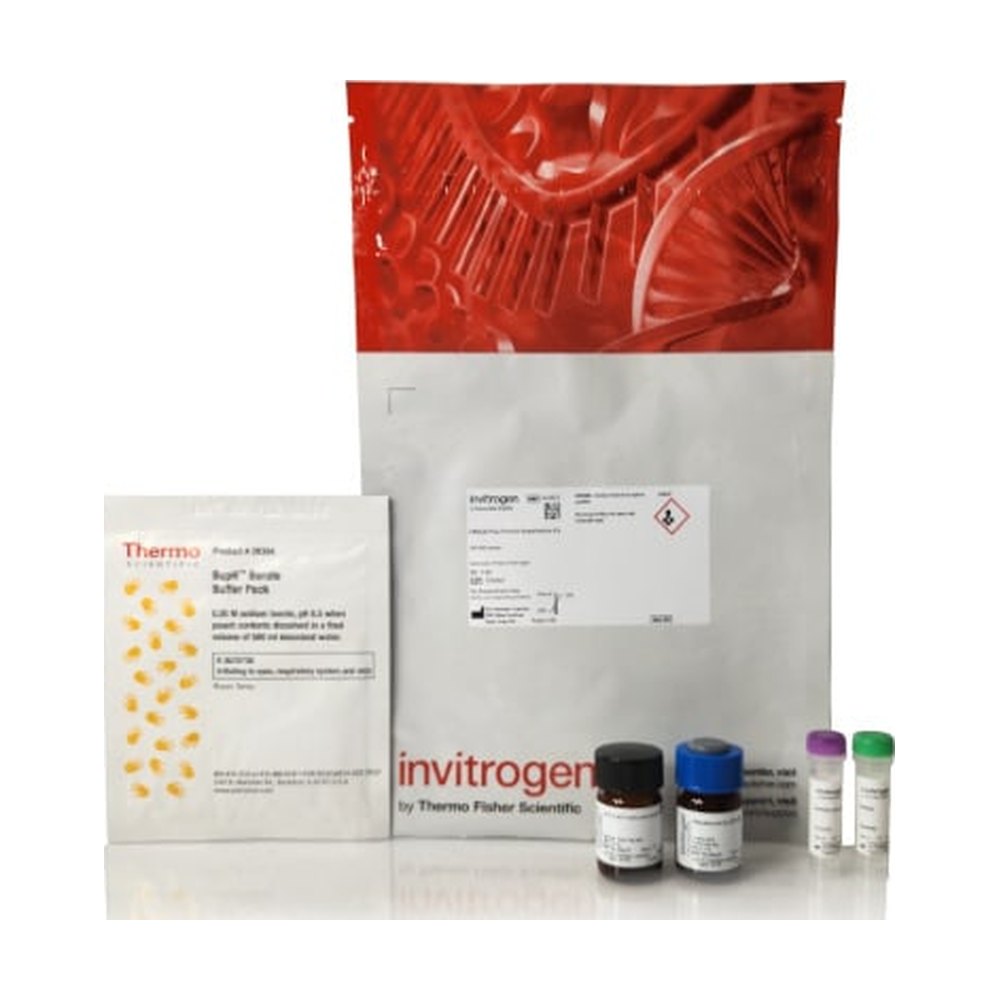
The selection kits for CYP450 Vivid™ include: Vivid™ substrate, Vivid™ fluorescent standard, reaction buffer, Vivid™ regeneration system, NADP+ and CYP450 BACULOSOMES Plus reagents. The CYP450 BACULOSOMES™ Plus reagents are microsomes prepared from insect cells expressing a human CYP450 (CYP3A4) isozyme and a reductase of human cytochrome P450. The CYP450 BACULOSOMES Plus reagents offer a distinct advantage over human liver microsomes, as a single CYP450 isozyme is expressed, preventing metabolism by other CYP450s.
Unique Vivid™ reagents for bright fluorescent signals and low background
Vivid™ substrates are blocked dyes that produce a minimum fluorescence signal until they are cleavage or hydroxyliate. Oxidation at one or other of the two potential sites releases the highly fluorescent product (Figure 1). They have higher fluorescence, solubility and kinetic properties than conventional fluorogenic probes. This results in increased sensitivity, higher signal to noise ratio and better reproducibility of the assays. BOMR Vivid™ substrate is the substrate included in this specific kit. This substrate provides a product that emits red fluorescence.
Flexible dosing formats for optimized results
The sensitivity of CYP450 Vivid™ assays allows for the detection of weak inhibitors and miniaturization of up to 2 μl per reaction. The assays can be configured in kinetic mode or end point mode to facilitate screening of multiple plates (Figure 2). The measurements can be made at room temperature or 37°C.
Applications: high-throughput screening of enzyme-drug interactions, drug inhibition compound profiling of cytochrome P450 isozymes, generation of predictive SAR models to guide compound acquisition
Search use only. Not for therapeutic purposes, nor for any human or animal diagnostic purposes.