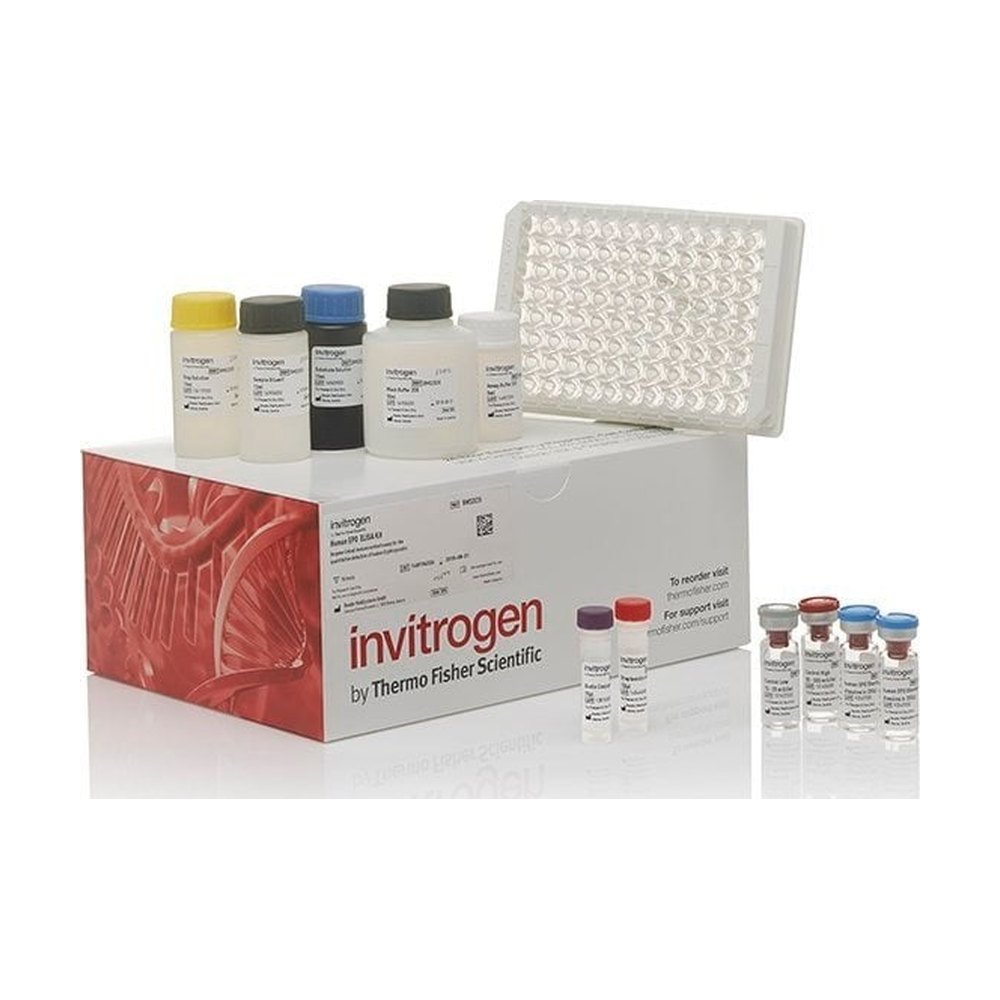
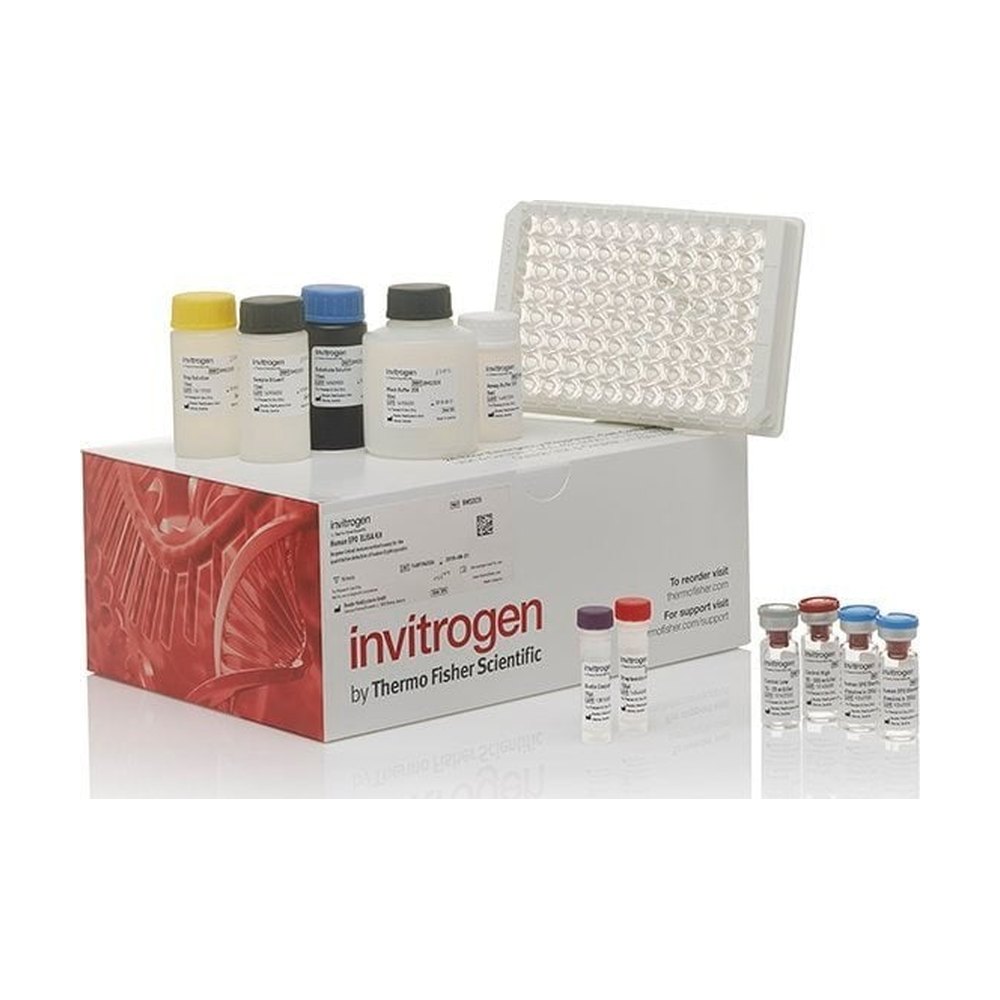
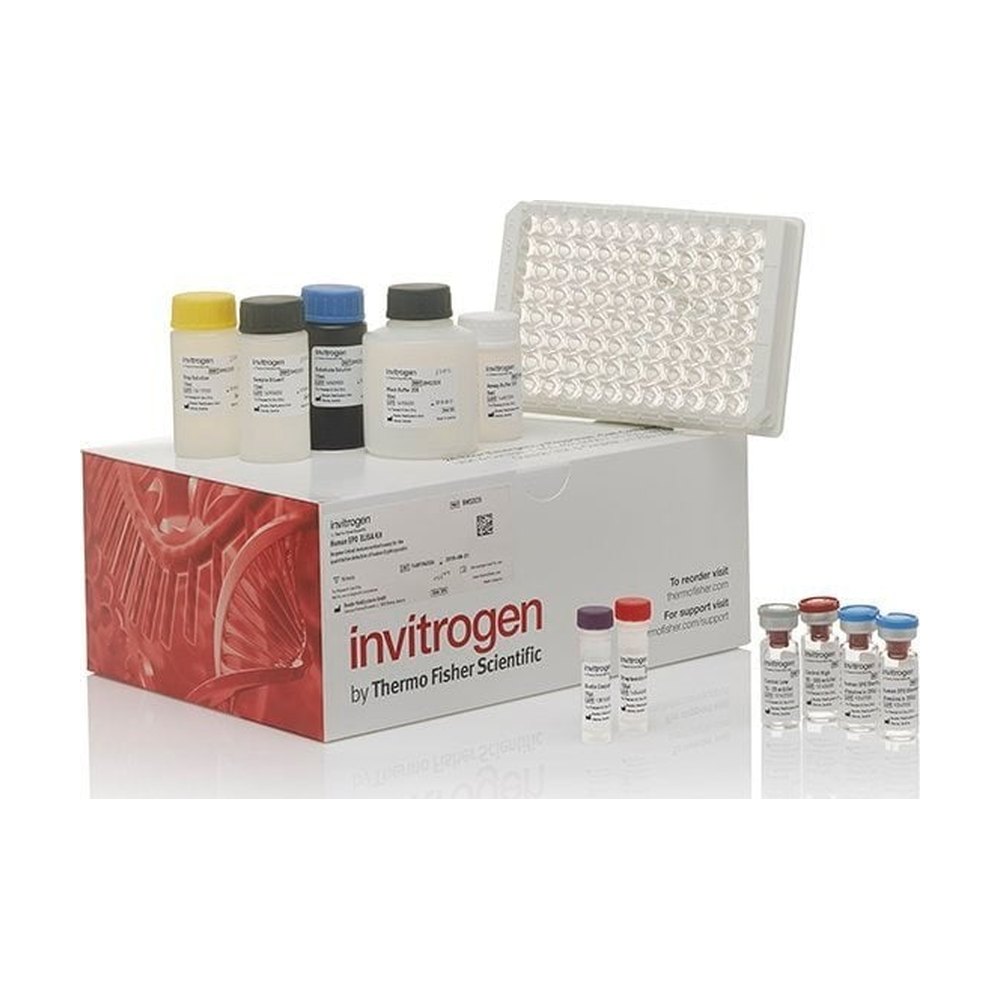
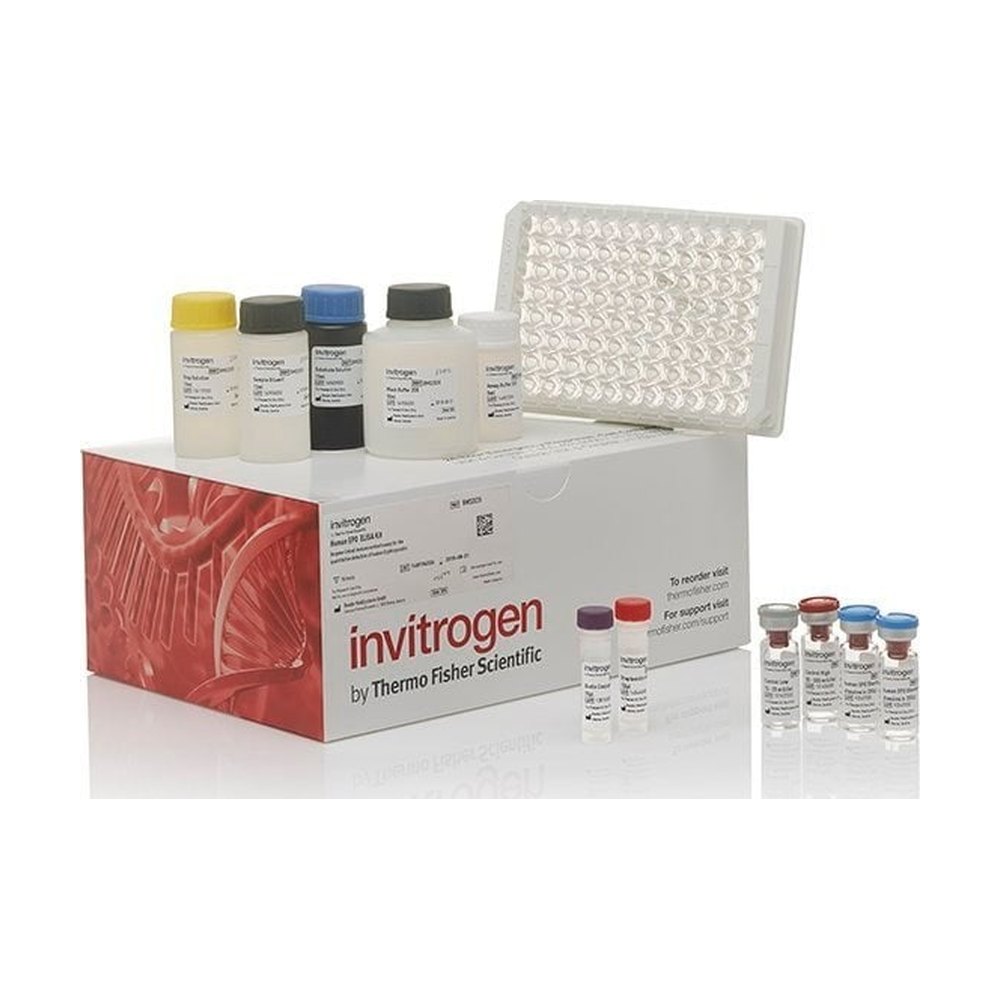
The ELISA human prostaglandin E2 kit is a competing immunoenzymatic test (ELISA). This assay is designed to detect and quantify the level of human E2 prostaglandin in biological samples. Principle of the method This...
The ELISA human prostaglandin E2 kit is a competing immunoenzymatic test (ELISA). This assay is designed to detect and quantify the level of human E2 prostaglandin in biological samples. Method Principle This assay is based on competition between prostaglandin E2 (PGE2) and an alkaline PGE2 phosphatase tracer for a limited amount of PGE2-specific monoclonal antibodies. Due to the competition between the sample PGE2 and the PGE2 tracer for the PGE2 antibody, the signal obtained with the test is inversely proportional to the amount of PGE2 in each sample. Rigorous validation Each batch manufactured from this ELISA kit is tested for quality for criteria such as sensitivity, specificity, accuracy and batch-to-batch consistency. See the product manual for more information on validation.
Prostoglandin E2 (PGE2) is a potent lipid mediator produced by the metabolism of arachidonic acid via the cyclooxygenase (COX) pathway. Following cell stimulation, arachidonic acid is hydrolyzed from phospholipids stored by one of the enzymes phospholips A2 and converted to PGH2 unstable endoperoxide by COX 1 or COX 2. PGH2 is isomerized to PGE2 by one of the 3 distinct PGES 1 microsomal enzymes (mPGES 1), mPGES 2, or a cytosolic enzyme, cPGES. PGE2 is active in a number of physiological systems and environments, including inflammation, immune regulation, fever generation, pain perception, gastric muscosa protection, fertility and parturition, and sodium and water retention. The effects of PGE2 are transduced by 4 of the receptor subtypes coupled to the G proteins EP1, EP2, EP3, EP4, with Kd values for PGE2 ranging from 1 to 10 nM. PGE2 is rapidly metabolised in vivo by prostaglandin 15 dehydrogenase (15 PGDH hydroxy) to inactive metabolite 13.14 dihydro 15 keto PGE2. The half-life of PGE2 in the circulatory system is Order information
Shipping conditions: Ambient temperature
Measurement range
Dose range: 31.3-4000 pg/ml.
Duration of dosing
Total duration of dosing: 3 h 30 min.
Reproducibility
Coefficient of variation intra-dose 6%, inter-dose 11.7%.
Samples
Sample type: Surnatant, Surnatant, Urine (plasma volume, 100 μl; urine, 100 μl; supernatant, 100 μl).
Technical specifications
| General |
|---|
| Brand | Invitrogen |
|---|
| Supplier ref. (Fisher Scientific) | 10266503 |
|---|
| Specifications |
|---|
| Accession number | NM_000958.2, NP_000949.1 |
|---|
| Dose range | 31.3-4000 pg/ml |
|---|
| Product type | Kit ELISA |
|---|
| Type of sample | Surging, Surging, Urine |
|---|
| Target species | Human |
|---|
| For use with (application) | Colorimetric detection |
|---|
| For use with (equipment) | Colorimetric microplate reader |
|---|
| Incubation time | 3 h |
|---|
| Coefficient of inter-dose variation | 11.7% |
|---|
| Coefficient of intra-dose variation | 6% |
|---|
| Contents of kits | 96-well pre-coated plate, Stable, Tris stamp, Alkaline phosphatase reagents, Antisera leucotriene B4, DEA stamp, Wash pad, pNPP tablets, Adhesive plate covers |
|---|
| Marker or dye | AP |
|---|
| Genetic marker | Prostaglandine E2 |
|---|
| Quantity | 96 tests |
|---|
| Regulatory status | RUO |
|---|
| Target | Human |
|---|
| Test time | 1 h 20 min |
|---|
| Physical characteristics |
|---|
| Volume of sample | Plasma, 100 μl; urine, 100 μl; supernatant, 100 μl |
|---|
| Storage and shipping |
|---|
| Storage conditions | Store the kit at −20°C. Refer to the product documentation for the component specific storage temperature. |
|---|
| Total duration of dosing | 3 h 30 min |
|---|
Origin and customs
| Manufacturer ref. | KHL1701 |
|---|
| Country of origin | Autriche |
|---|
| HS customs code | 3002 15 00 00 |
|---|
A question or a specific configuration?
Contact us for a quote.