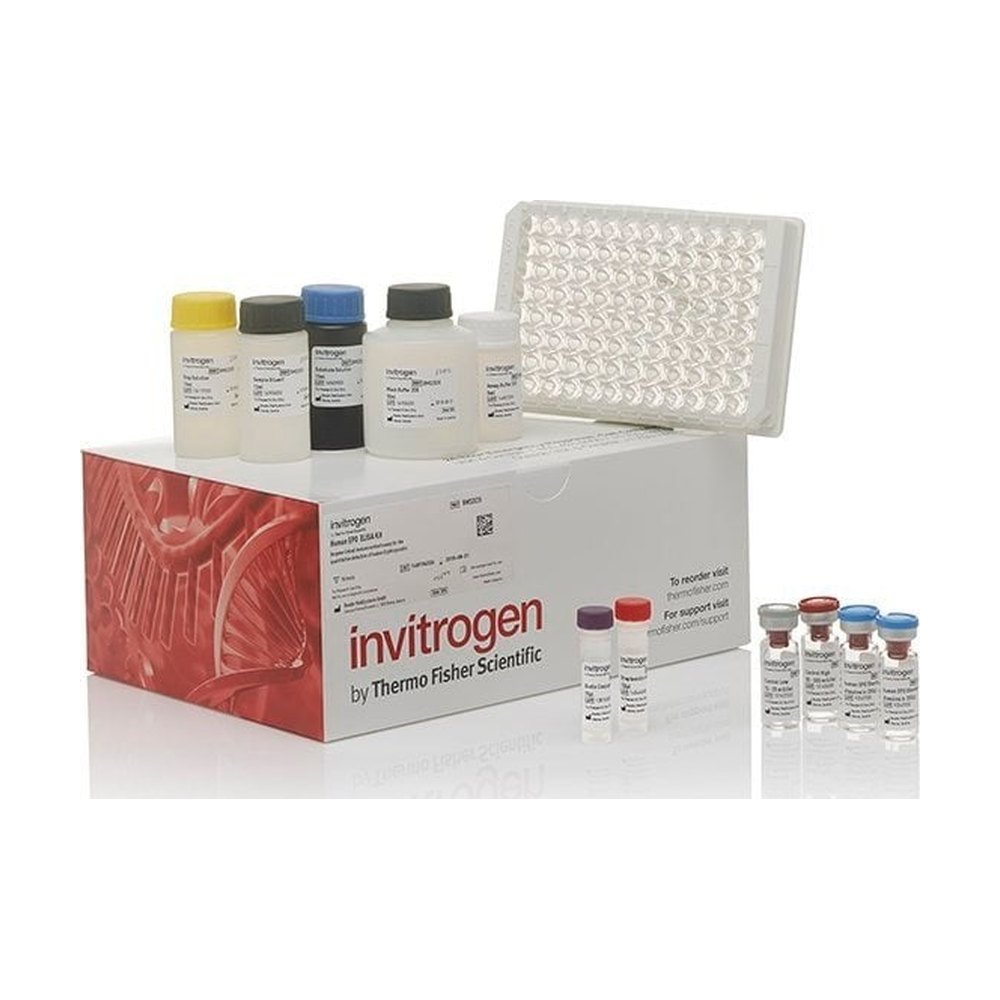
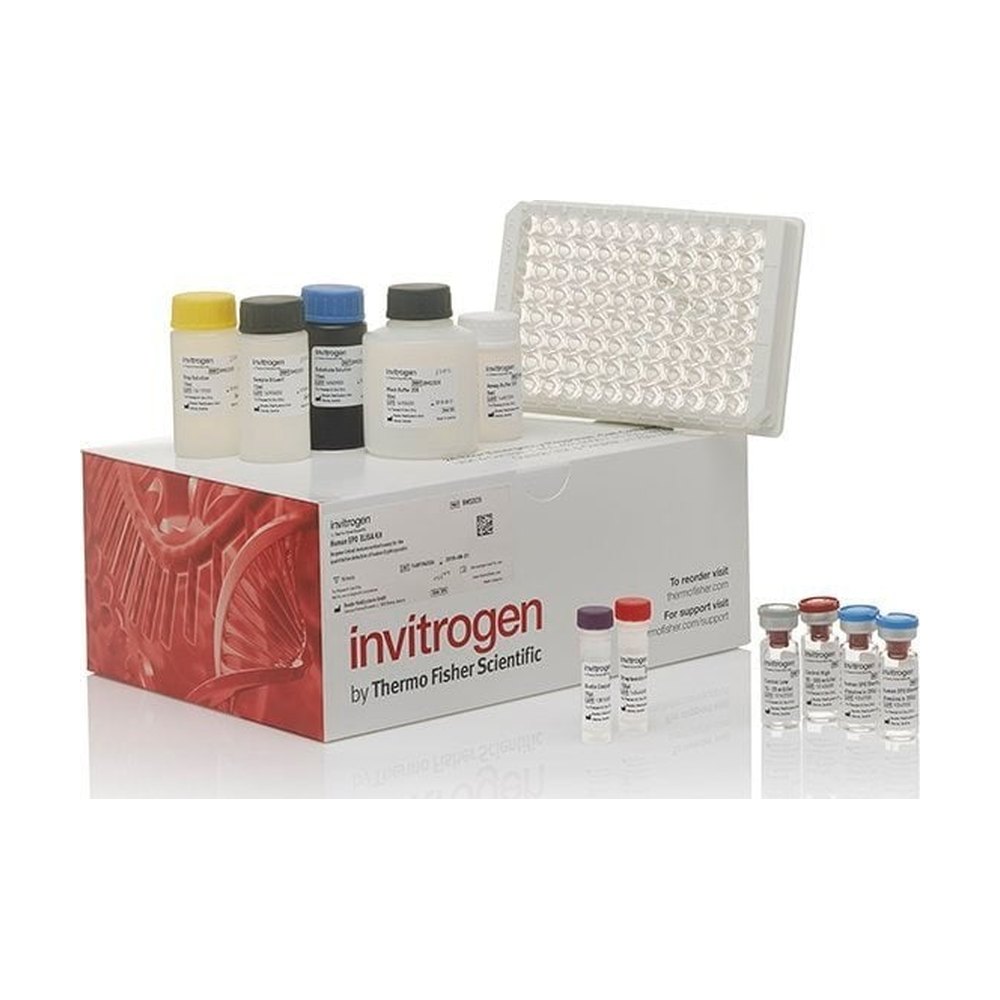
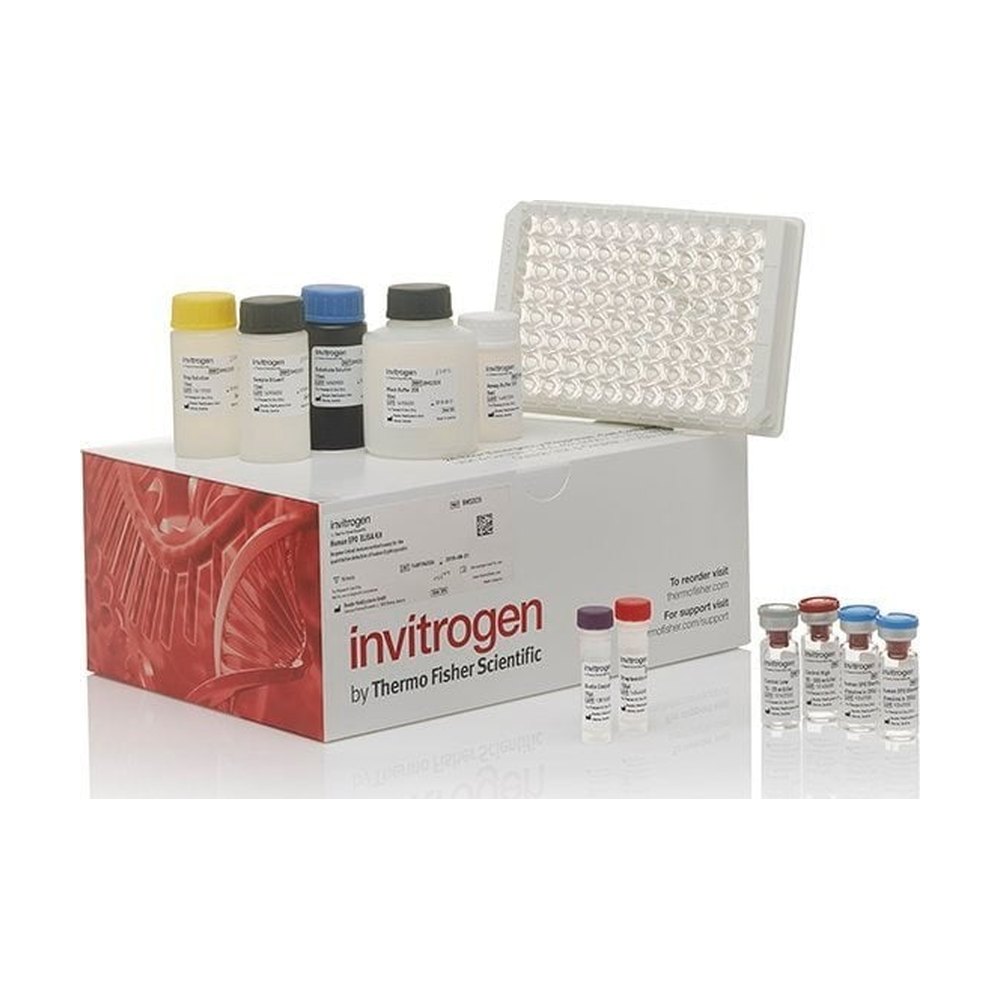
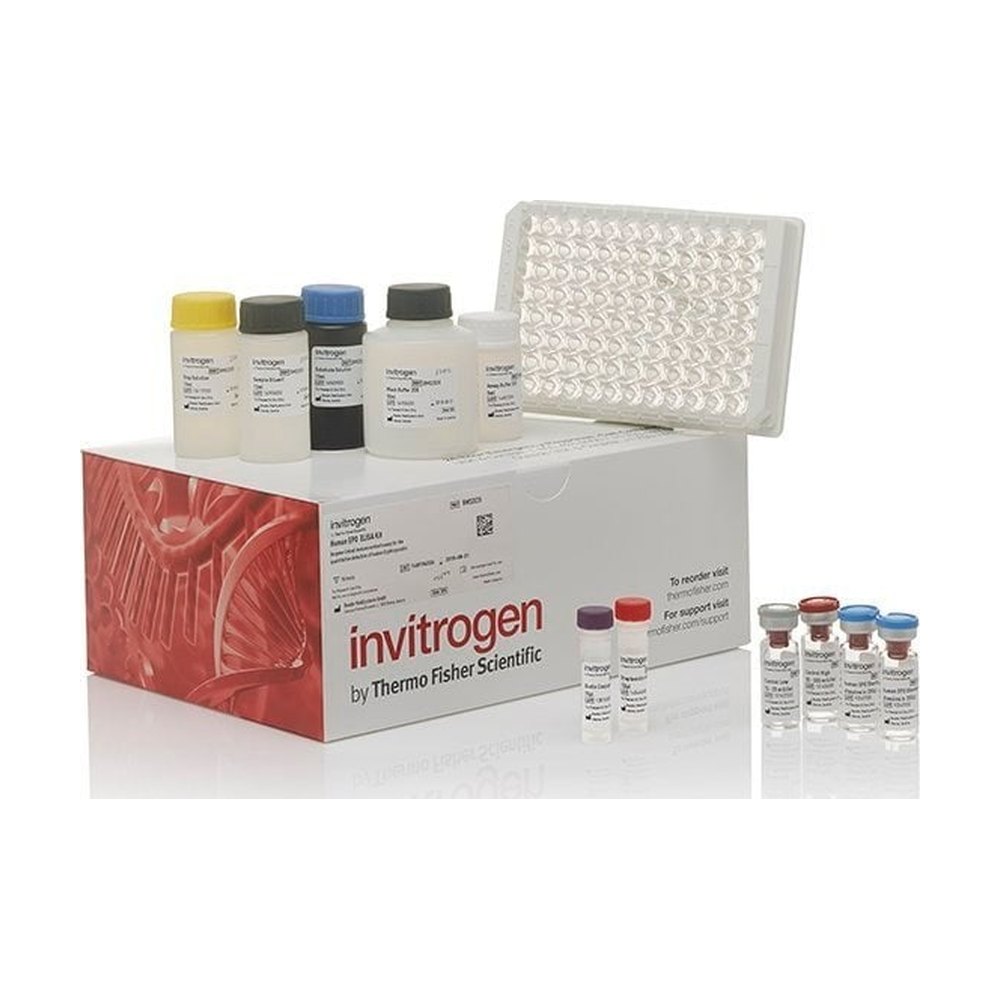
Monkey uPAR quantitates monkey uPAR in serum, plasma, supernatant. The assay will exclusively recognize both natural and recombinant monkey uPAR.
Accession number
Cd87 ; MO3 ; antigène d’activation monocytaire Mo3 ; Par ; récepteur urokinase 3 de l’activateur du plasminogène ; activateur du plasminogène, récepteur urokinase ; PLAUR ; Plaur3 ; sCD87 ; CD87 soluble ; UPAR ; u-PAR ; uPAR-2 ; uPAR-3 ; récepteur de l’activateur de u-plasminogène forme 2 ; récepteur de l’activateur du plasminogène urinaire 2 ; récepteur de l’activateur du plasminogène urinaire 3 ; URKR ; récepteur de l’activateur du plasminogène de l’urokinase ; récepteur de surface de l’activateur du plasminogène de l’urokinase ; récepteur de l’activateur du plasminogène de type urokinase (uPA) ; récepteur de l’activateur du plasminogène de l’urokinase
Dose range
0.12 to 25 ng/ml
Sensitivity of the dosage
0.12 ng/ml
Conjugate
Biotin
Product type
ELISA
Brand
Invitrogen
Monkey uPAR quantitates monkey uPAR in serum, plasma, supernatant. The assay will exclusively recognize both natural and recombinant monkey uPAR.
Monkey uPAR quantitates monkey uPAR in serum, plasma, supernatant. The assay will exclusively recognize both natural and recombinant monkey uPAR.
The urokinase-type plasminogen activator receptor is a key molecule in regulating the activation of cell surface plasminogen and plays an important role in many normal and pathological processes. Human code 335 amino acids, including a signal peptide of 22 predicted residues and a portion at C hydrophobic termination. It produces a highly glycosylated protein of about 50 kD in monocytes where it is anchored to the plasma membrane by glycosyl-phosphatidylinositol bond. PLAUR, also known as d的UPAR, is directly associated with the SELL carbohydrate binding domain in the neutrophil membrane, an association similar to that between PLAUR and beta-2 integrins. Calcium mobilization at PLAUR is dependent on SELL. The levels of d-mRNA UPAR are correlated with the invasive potential of l-endome carcinomas and show an x 33 increase in the levels of d-mRNA UPAR in endometrial tumours of advanced clinical stage compared to normal endometrial tissues. In addition, the increase in mRNA levels of UPAR is linearly correlated with the progression of the disease stage. The protein expression of the UPAR is positively correlated with the rate of recurrence and mortality in patients with l'endometrial cancer. The UPAR appears to be a useful prognostic marker for advanced l-endometrial cancer.
Sensitivity
Sensitivity of the dosage: 0.12 ng/ml.
Measurement range
Dosing range: 0.12 to 25 ng/ml.
Duration of dosing
Total duration of dosing: 4 h 45 min.
Target
Target: uPAR (CD87).
Samples
Type of sample: Plasma, Serum, Surnatant (surnatant volume, 50 µl; plasma, 50 µl; serum, 50 µl).