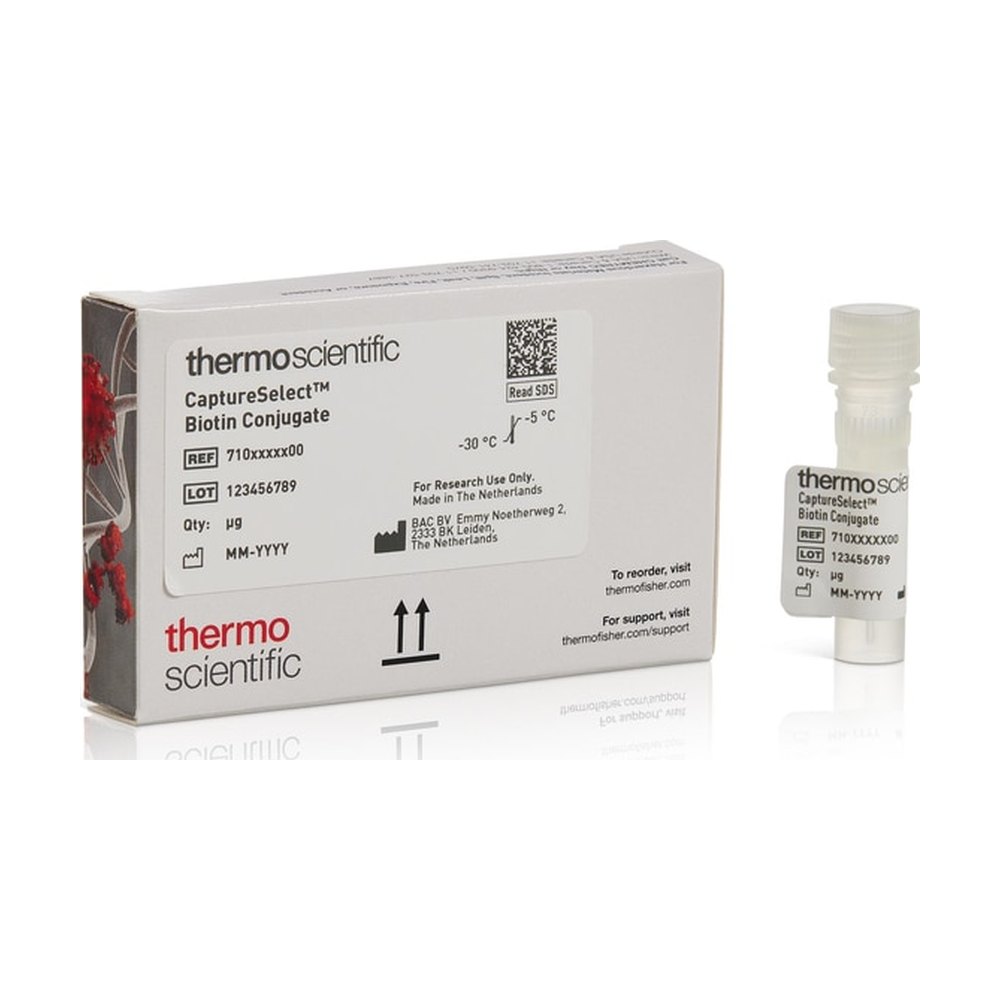
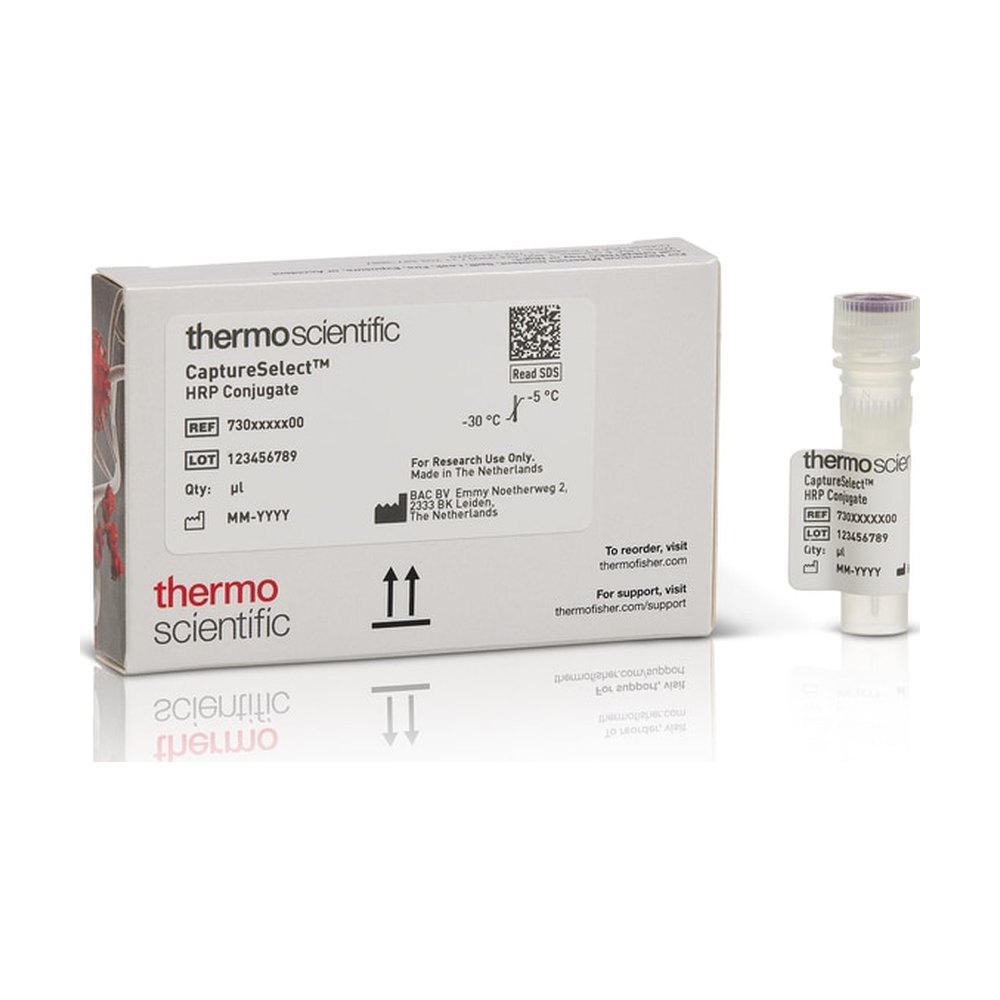
ActivX™ probes were designed to selectively mark and enrich GTPases by linking their respective active sites with the marked GTP to enable the evaluation of enzyme activity. Desthiobiotin-GTP can selectively enrich, identify and profile target enzyme classes in the samples.
Supplier ref.: 11852134
Description
Desthiobiotin-GTP ActivX probe
Content and storage
Keep at –80°C
Dose
Quantitative protein analysis test
Method of detection
Chimilluminescence, mass spectrometry, Western transfer
Type of substrate
GTPase substrate
Brand
Thermo Scientific
The enrichment kits of GTPase Thermo Scientific Pierce use GTP ActivX™ probes to covalently mark the active GTPases site and GTPase subunits of protein-linked receptors.
The enrichment kits of GTPase Thermo Scientific Pierce use GTP ActivX™ probes to covalently mark the active site of GTPases and GTPase subunits of the G-linked receptors allowing selective enrichment with desthiobiotin labelling.
Desthiobiotine-GTP ActivX™ probes contain modified nucleotide-fixed biotin by acyl-phosphate-labile bond. The ActivX active site enrichment probes are advantageous for determining active enzyme levels through the use of analogue-labelled probes to enable the profiling of active and inactive enzymes. ActivX probes selectively enrich only enzymes that are functionally active and biologically relevant at the time of marking. Selective enrichment allows identification and profiling of target enzyme classes in samples or assessment of the specificity and affinity of enzyme inhibitors.
After elimination of the GTP or GDP nucleotides from the enzymes, the GTP desthiobiotin probe can be used to covalently modify lysine residues stored at the GTPase nucleotide binding site. The Desthiobiotin-GTP pump can selectively enrich, identify and profile target enzyme classes in the samples. Pre-incubation of samples with small molecule inhibitors that compete with active site probes can be used to determine binding affinity of inhibitors and target specificity. The Desthiobiotine-GTP ActivX probe covalently marks the active site of the GTPases and GTPase subunits of the G-linked receptors.