Reversible phosphorylation is a central regulatory process in signal transduction pathways.
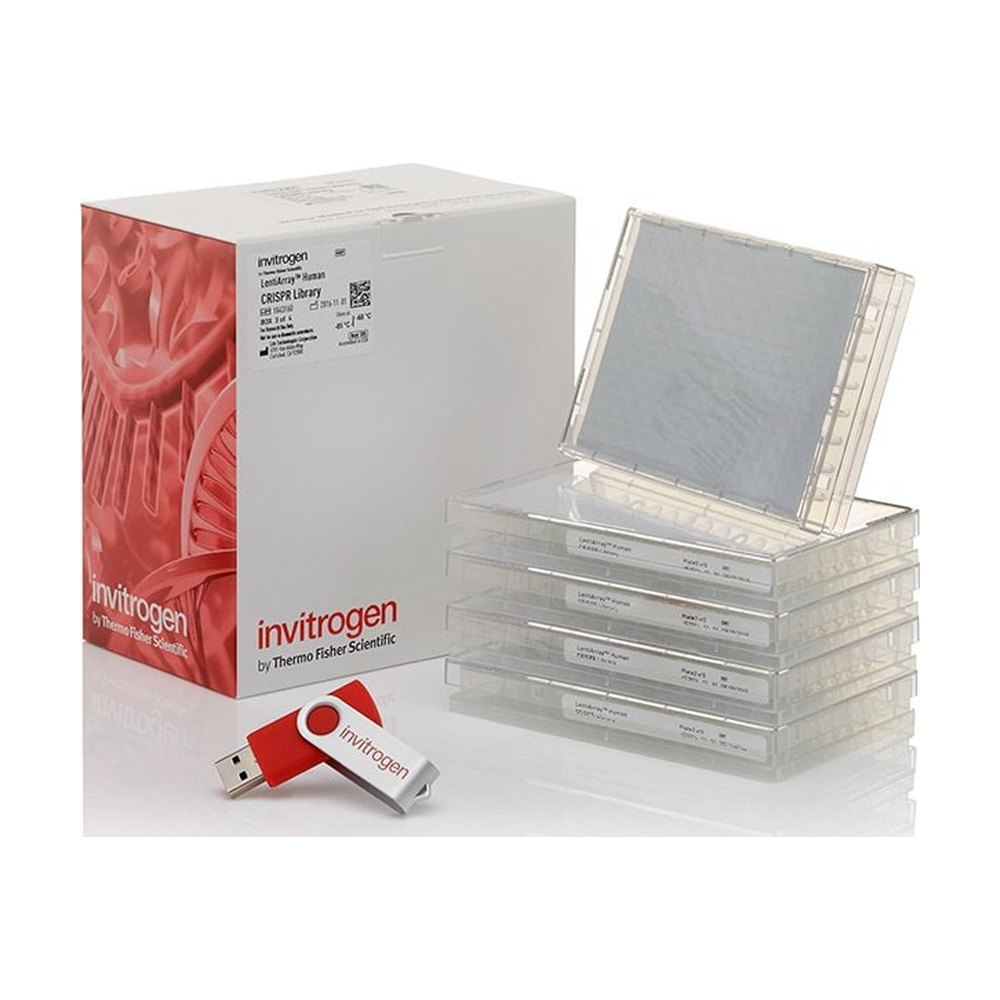
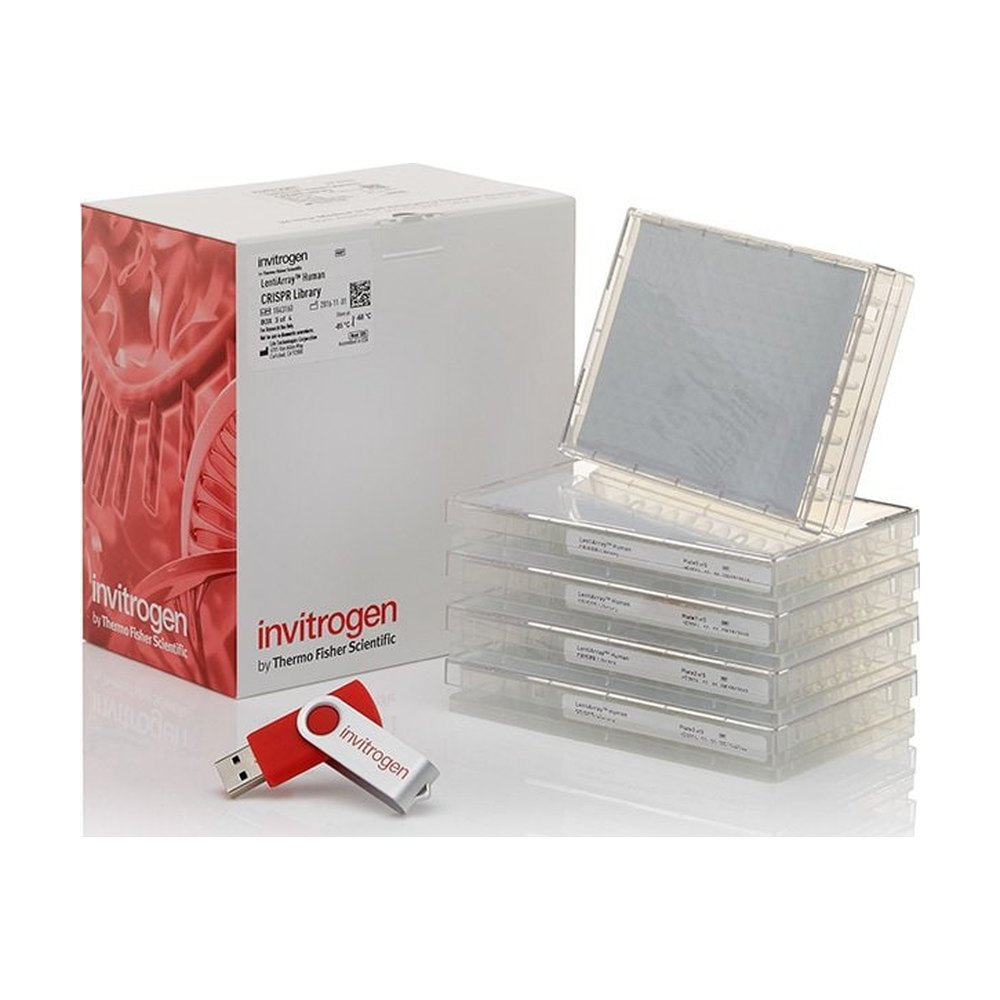
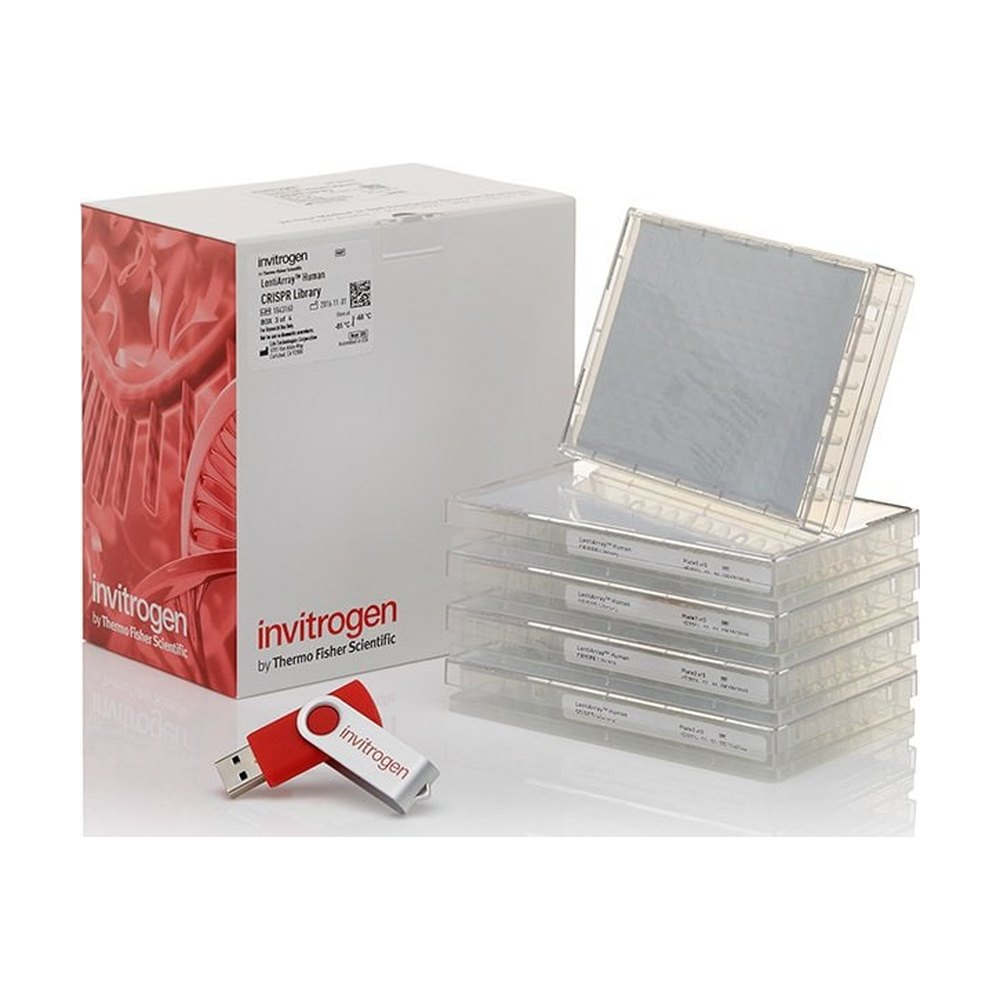
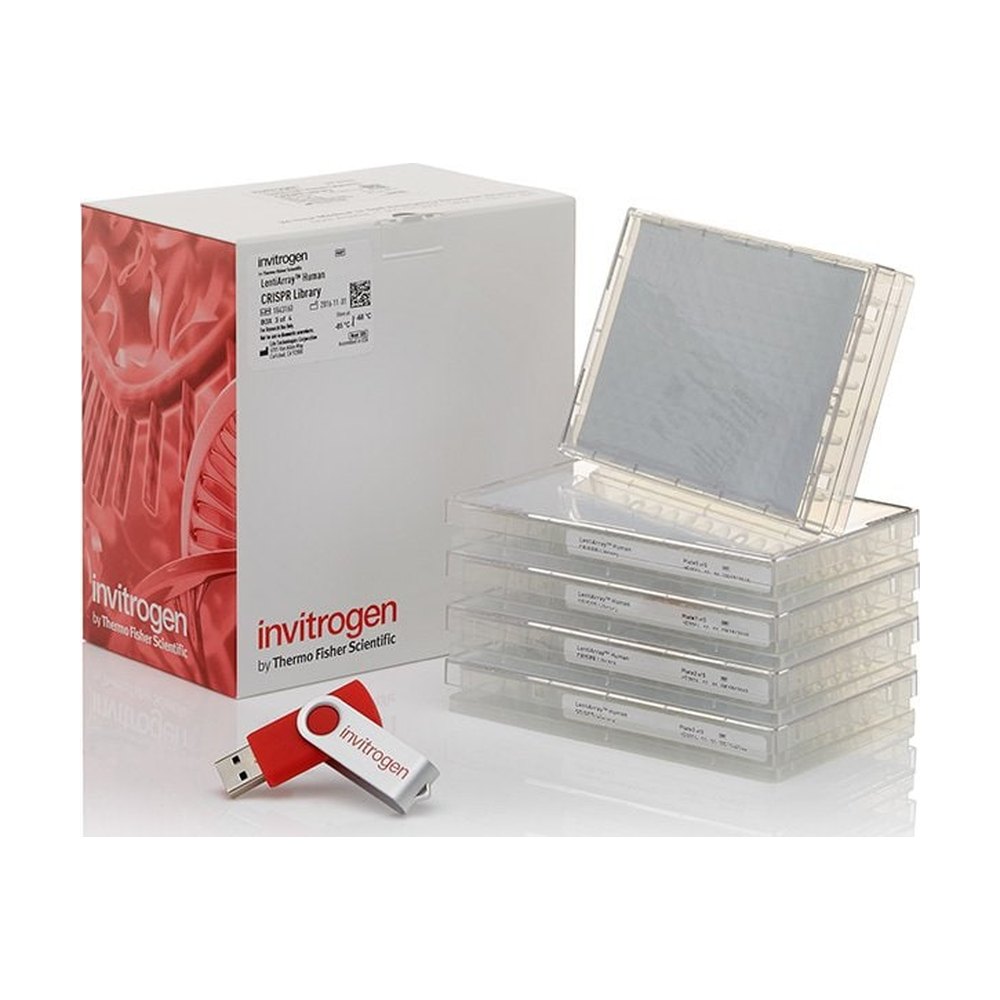
Reversible phosphorylation is a central regulatory process in signal transduction pathways. Phosphatases dephosphorylate their target proteins, are integral to the regulation of signaling pathways and are increasingly being analyzed as potential therapeutic targets. The genetic targets contained in this library were selected using the latest genomic databases, including the RefSeq database of the NCBI, and cross-referenced with the Gene Ontology Consortium (GO) database and/or the HUGO Gene Nomenclature Committee (HGNC).
This algorithm integrates the latest design research of the gRNA, as well as our extensive internal experience, to produce the most qualitative designs. The designs of the gRNA library included in CRISPR LentiArray are selected for maximum efficiency and specificity of editing and are designed to eliminate all known isoforms of the target gene. For each genetic target, up to four high-quality gRNAs are included to ensure a highly effective transfer of the target gene across a wide range of cell types.
The CRISPR LentiArray libraries are...
CRISPR LentiArray libraries are designed and built to give you complete control of your experimental design. They use a two-vector design, expressing the nuclease Cas9 and the gRNA from distinct lentiviral constructions, allowing you to determine when and how genome modification tools are delivered to your cells.
The construction of lentivirus Cas9 LentiArray...
The construction of lenivirus Cas9 LentiArray expresses a Cas9 nuclease optimized by human codon with a plasticidine resistance gene under the control of the promoter EF-1α (EFS). You can choose to co-infect your cells with the lentiviruses of the tRNA LentiArray and the lentivirus Cas9 or simply the lentivirus Cas9 LentiArray to establish a stable cell line expressing Cas9. With CRISPR LentiArray libraries, you have the freedom to design the experimental approach that best suits your model system and your screening objectives.
In addition, to minimize restrictions on...
In addition, to minimize the restrictions on your experimental design, the lentiviruses of the gRNA libraries that make up CRISPR LentiArray do not contain fluorescent markers. This allows rapporteurs of any wavelength to be used with libraries and expands your ability to perform multiplexed experiments. For difficult cell lines, the lentiviruses of the gRNA LentiArray contain a puromycin resistance gene that allows enrichment of the published cell population and results in stronger phenotypes.
Technical specifications
| General |
|---|
| Brand | LentiArray |
|---|
| Supplier ref. (Fisher Scientific) | 15910343 |
|---|
| Specifications |
|---|
| Accelerator | U6 |
|---|
| Quantity | 1 library |
|---|
| Type of delivery | Lentivoral |
|---|
A question or a specific configuration?
Contact us for a quote.