Utilizing proximity-based amplification technology, the assay combines the analyte specificity of high-affinity antibody-antigen binding with the signal detection and amplification capabilities of real-time PCR to achieve a simple yet powerful…
Utilizing proximity-based amplification technology, the assay combines the analyte specificity of high-affinity antibody-antigen binding with the signal detection and amplification capabilities of real-time PCR to achieve a simple yet powerful next-generation protein quantitation platform. A user-friendly workflow combined with intuitive software for analytics enables sample-to-answer in just 2 hours.
CEA (carcino Embryonic Antigen, CD66e) is synthesized during the development of the fetal intestine and reexpressed in increased amounts of intestinal carcinomas and several other tumours. The CEA is a member of carcinoembryonic antigens, the immunoglobulin supergen family, and consists of a single domain N (structural homology with the variable diimmunoglobulin) and six domains of constant immunoglobulin A (A1, A2, A3) and B (B1, B2, B3). CEA antibodies are useful in identifying the origin of the various metastatic adenocarcinomas and distinguishing lung adenocarcinomas (60-70% are CEA+) from pleural mesotheliomas (rarely or weakly CEA+). CEA is part of a large family of glycoproteins, a tumour marker useful for adenocarcinoma, and it is found in the epithelium adenocarcinomas of the digestive system derived from the endoderma and foetal colon. Two subgroups of the CEA family, CEA cell adhesion molecules and pregnancy-specific glycoproteins, are located in a 1.2 Mb group on the long arm of chromosome 19. Eleven pseudogenes of the CEA cell adhesion molecules subgroup are also present in the group. CEA was originally described in the liver bile canals as biliary glycoprotein. Subsequently, it has been shown that CEA is a cell adhesion molecule detected on leukocytes, leukocytes, epithelium, and leukemia. The coded protein allows cell adhesion to be mediated by homophilic bonding and heterophilic bonding to other proteins in the subgroup. Several cellular activities have been attributed to coded protein, including roles in differentiation and arrangement of the three-dimensional structure of tissues, 的angiogenesis, l'apoptosis, tumour suppression, metastases and modulation of innate and adaptive immune responses. Several transcription variants encoding different isoforms were recorded, but the full length nature of all variants was not defined.
High sensitivity-detect low levels of protein…
High sensitivity-detect low levels of protein with greater sensitivity than traditional methods
Broad dynamic range-5 logarithmic units...
Broad dynamic range-5 logarithmic units, minimizing sample dilutions to ensure they fall within the range
Small sample consumption-use 2–5 μL of sample…
Small sample consumption-use 2–5 μL of sample (compared to 75 μL for triplicate wells with other methods)
Fast, easy workflow-2 hours from sample to…
Fast, easy workflow-2 hours from sample to answer, with no wash steps
No proprietary instrument to purchase-runs on any…
No proprietary instrument to purchase-runs on any real-time PCR instrument
Technical specifications
| General |
|---|
| Brand | Invitrogen |
|---|
| Supplier ref. (Fisher Scientific) | 17114303 |
|---|
| Specifications |
|---|
| Accession number | 1600029H12Rik; carcinoembryonic antigen; cell adhesion molecule associated with carcinoembryonic antigen 5; cell adhesion molecule associated with carcinoembryonic antigen 5; CD66e; ECA; CEACAM5; meconium antigen 100; OTTHUMP00000199033; specific glycoprotein 30 |
|---|
| Dose range | 0.32 to 25.000 pg/ml |
|---|
| Sensitivity of the dosage | <0.3 pg/ml |
|---|
| Product type | ELISA |
|---|
| For use with (equipment) | qPCR instruments |
|---|
| Genetic identification (Enter) | P06731 |
|---|
| Gene symbol(s) | Ceacam5 |
|---|
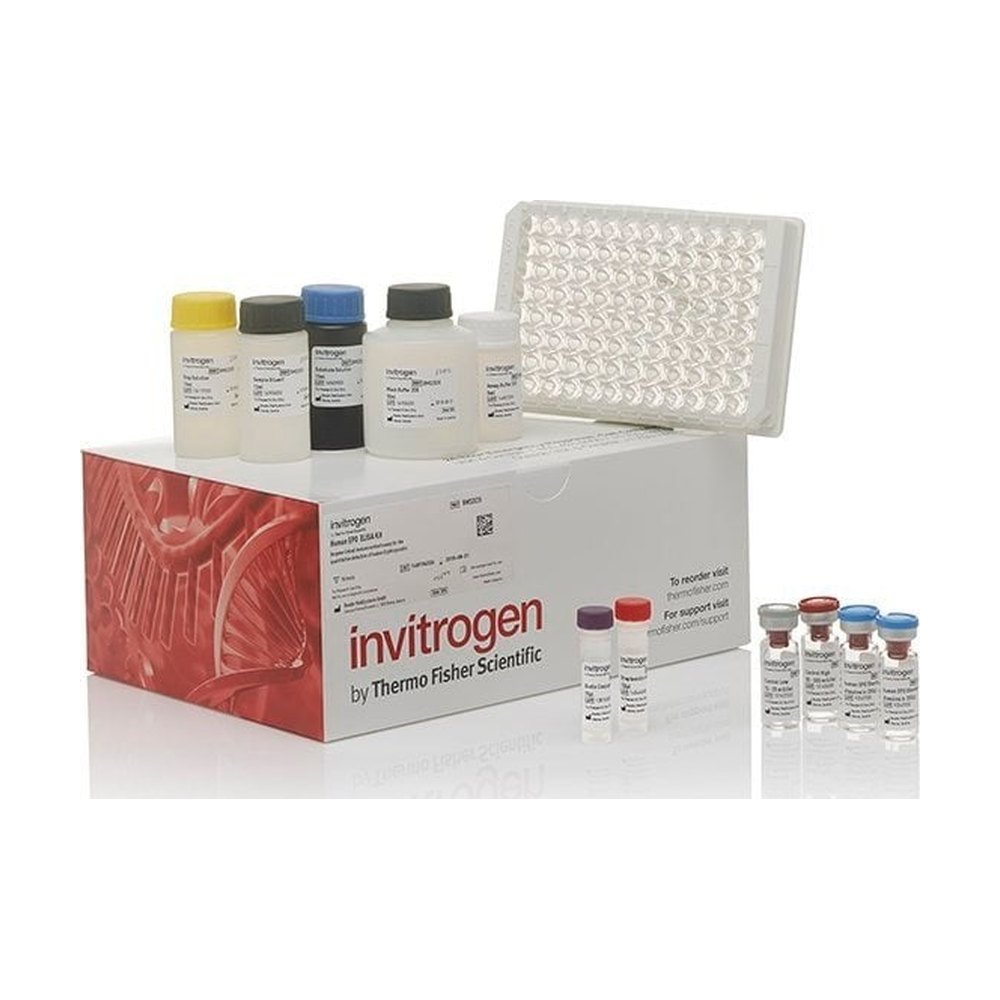
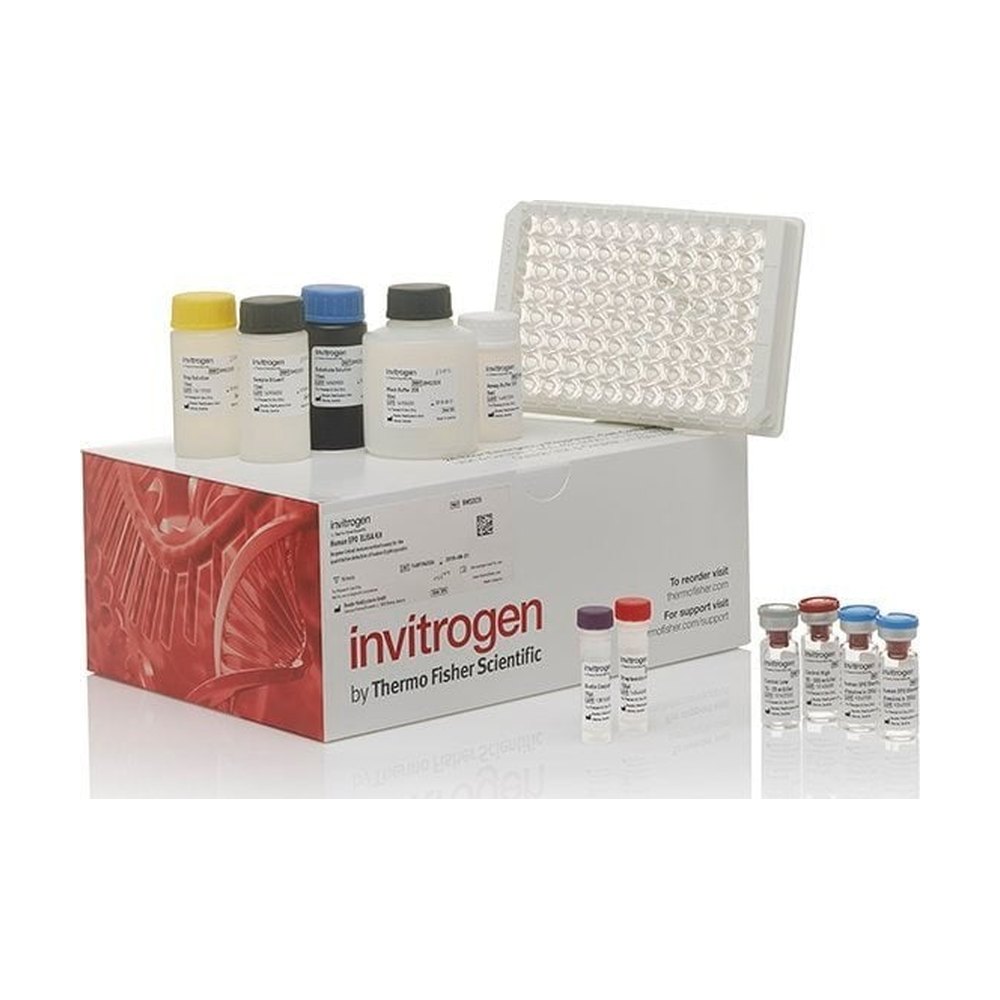
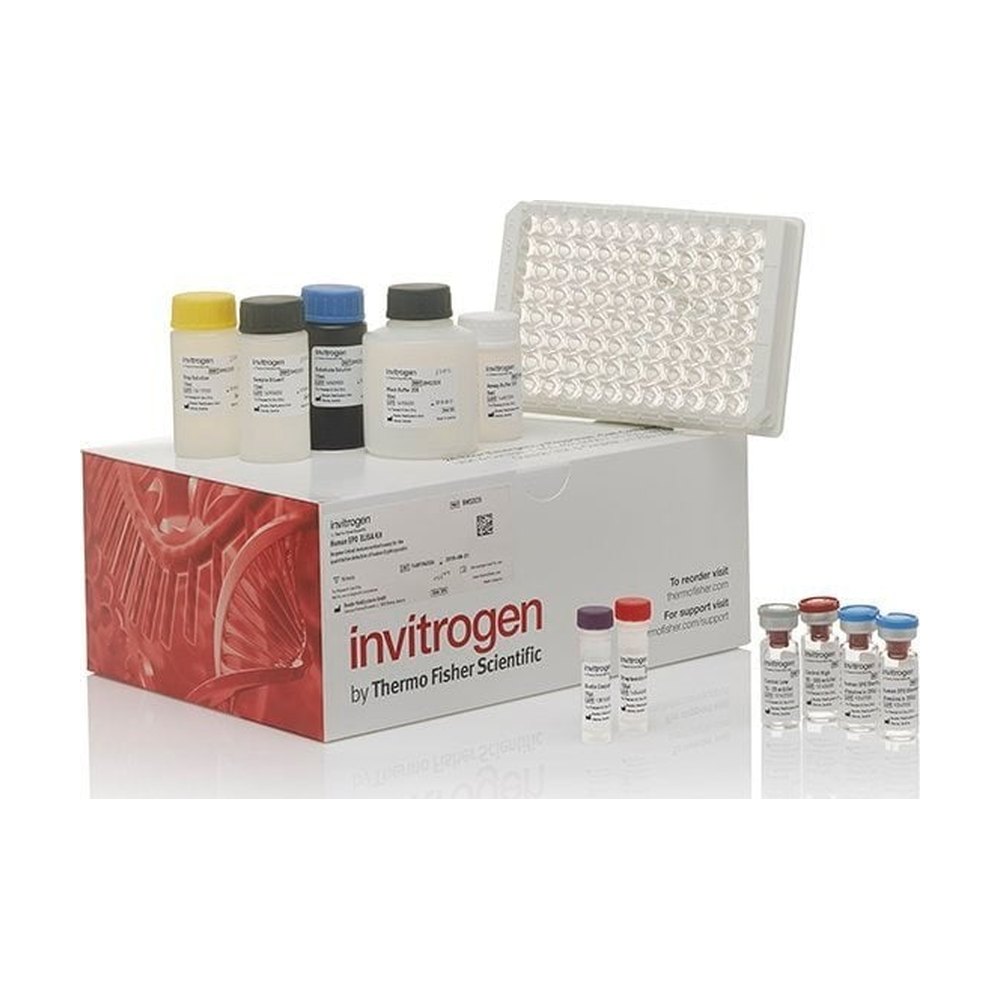
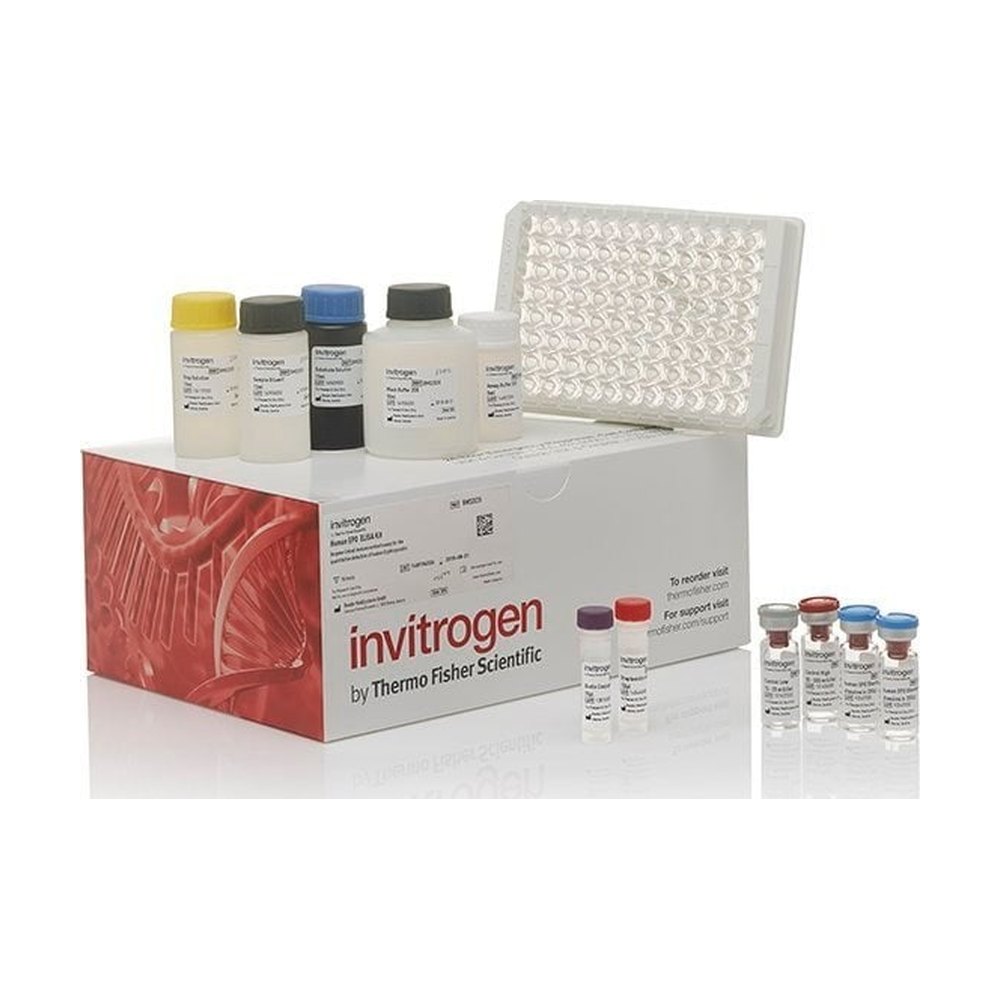
| Contents of kits | Antibody-Conjugate Antibody-Conjugate B Test Dilution Stamp Antibody-Conjugate Standard Master Mix ligase |
|---|
| Quantity | 96 tests |
|---|
| Regulatory status | Use exclusively for research |
|---|
| Target | CD66e (CEACAM5) |
|---|
| Test time | 30 min |
|---|
| Physical characteristics |
|---|
| Volume of sample | Serum, 2-5 µl; plasma, 2-5 µl; supernatant, 2-5 µl |
|---|
| Storage and shipping |
|---|
| Storage conditions | -20°C |
|---|
| Total duration of dosing | 2 h |
|---|
Origin and customs
| Manufacturer ref. | A46341 |
|---|
| Country of origin | United States |
|---|
| HS customs code | 3002 12 00 00 |
|---|
A question or a specific configuration?
Contact us for a quote.