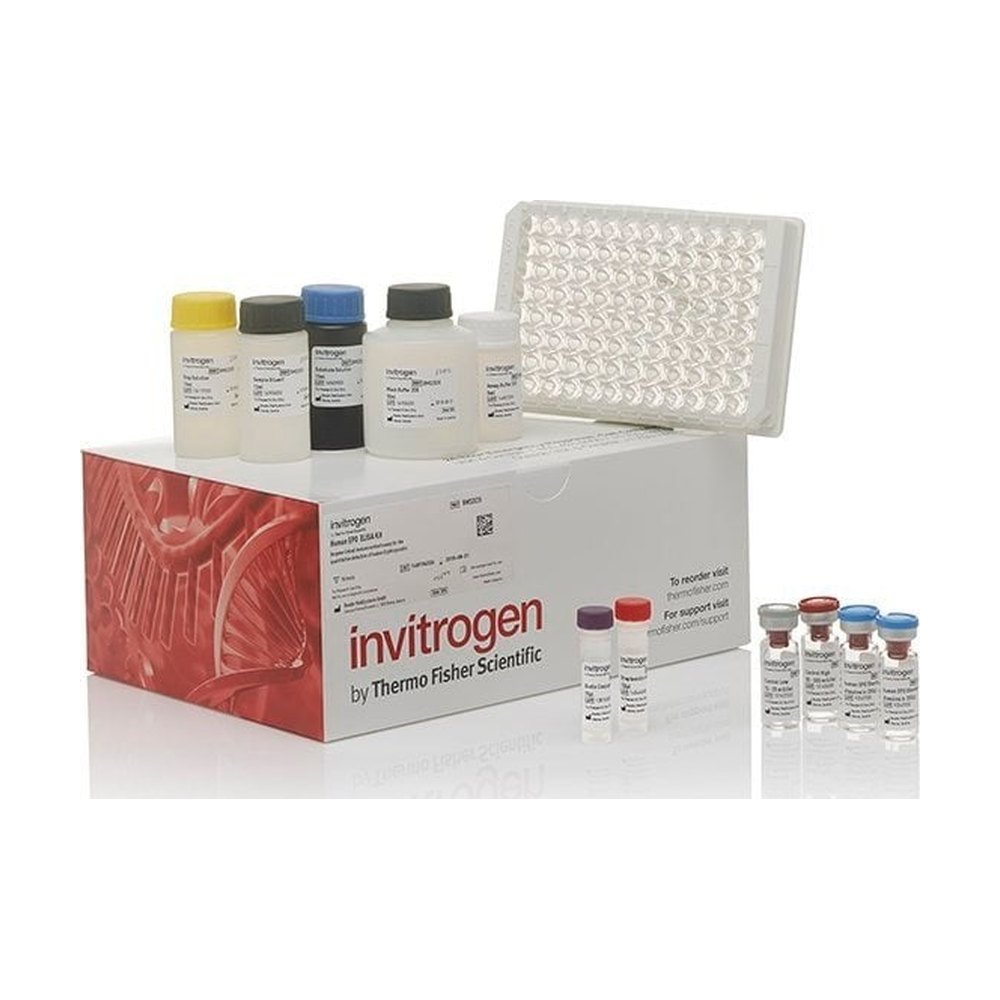
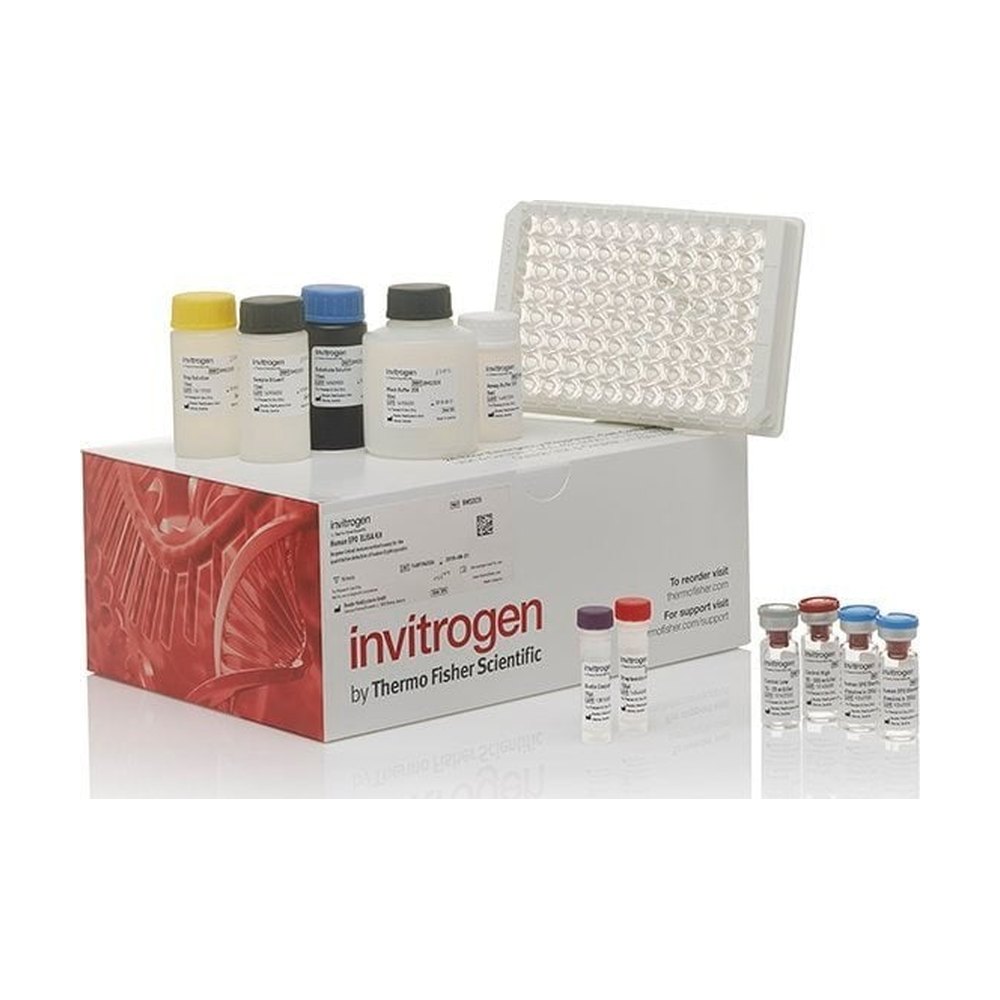
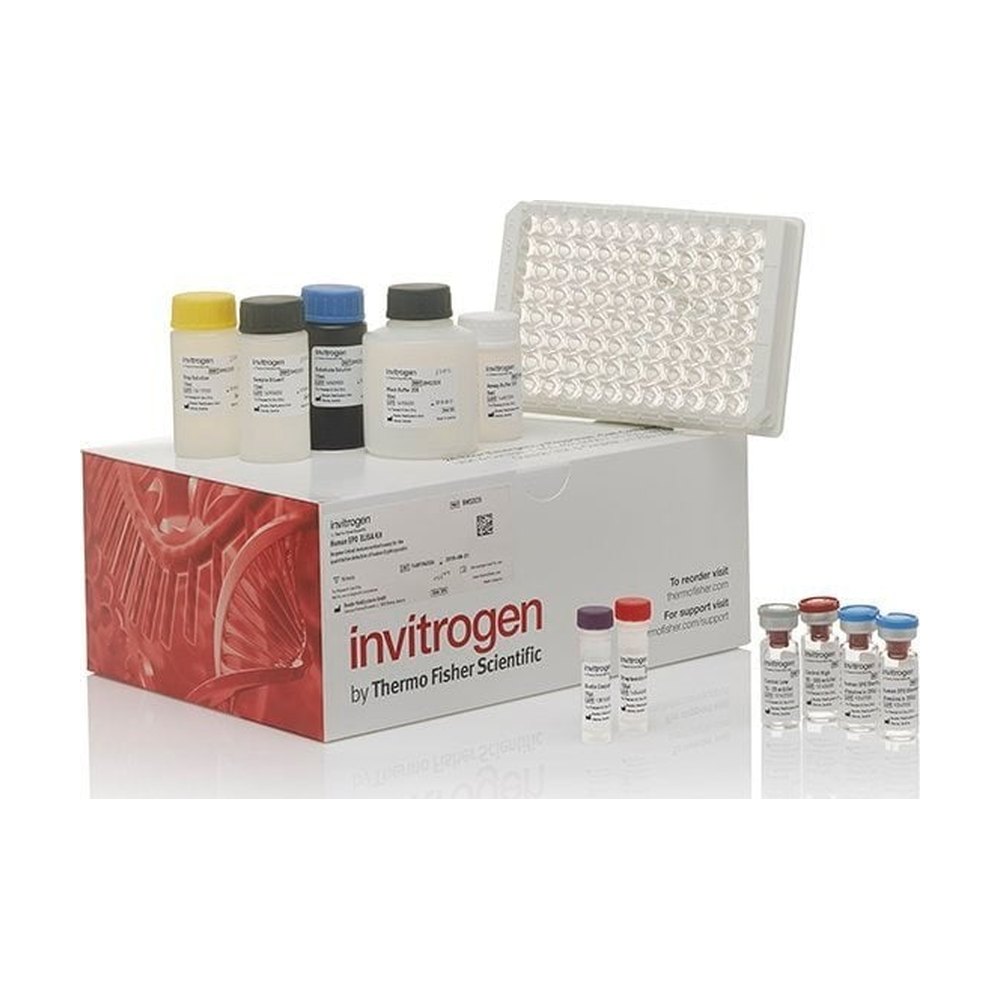
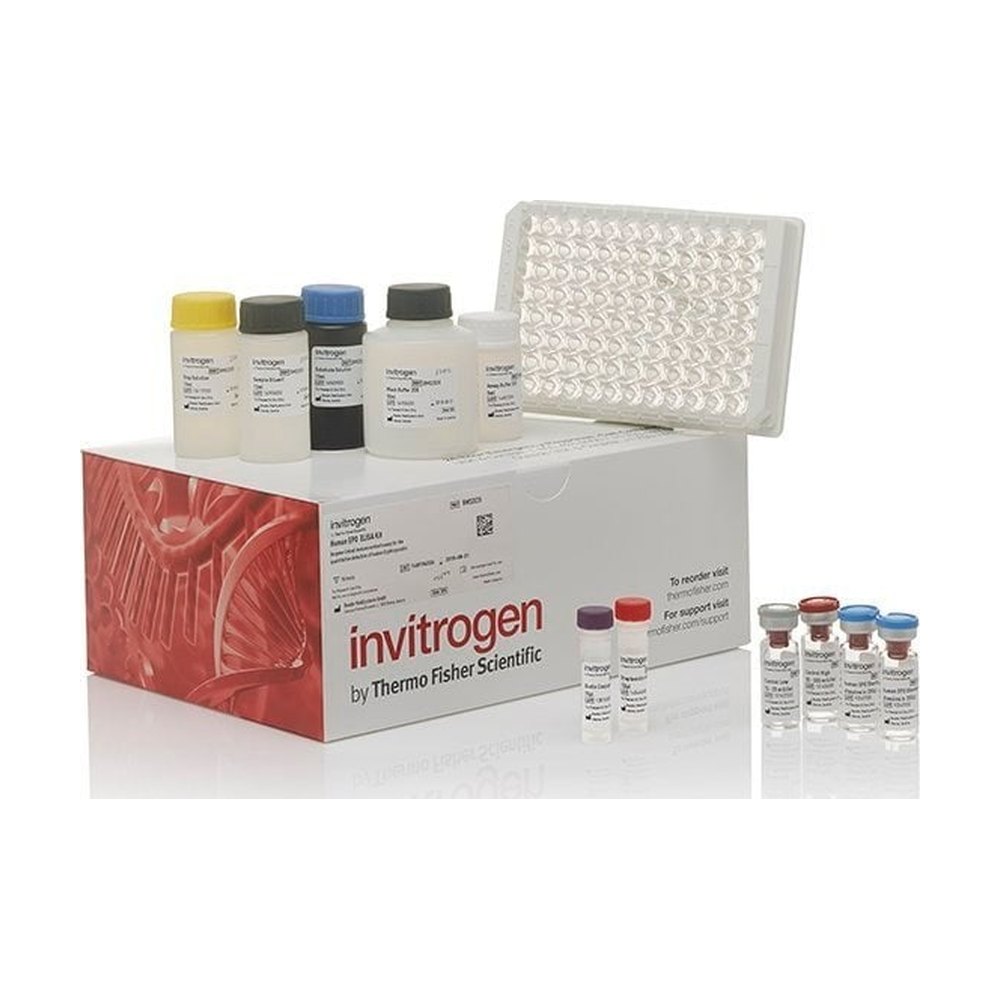
The P450 demethylase activity kit, for research purposes only, is a fluorescent activity test designed for the quantification and detection of P450 demethylation activity in microsomes or liver cerosomes such as Cyp...
The research-only P450 demethylase activity kit is a fluorescent activity test designed for the quantification and detection of P450 demethylation activity in microsomes or hepatic cerosomes such as Cyp P450 3A4, 2B4 and 2D6.
This kit includes one or more black 96-well plates, a dosing buffer, a formaldehyde standard and other components for the dosing. This kit does not contain P450 systems. Microsome, cerosomal, bacilulosome or supersome P450, or recombinant P450 systems must be supplied by the user. This kit requires the use of a 96-well fluorescence microplate reader capable of reading the fluorescent emission at 510 nm, with an excitement at 450 nm.
Performance characteristics
• Type of dosage: fluorescence activity kit
• Sample types: P450 demethylation systems, e.g. microsomes or hepatic cerosomes such as Cyp P450 3A4, 2B4 and 2D6
• Standard curve range: 1.6–20 pmol/100 μL
• Reactivity: human, rat
Cytochromes P450s (P450s) are a superfamily of enzymees containing heme that have a wide diversity in substrate specificity and catalytic activity. P450s use many exogenous and endogenous compounds as substrates in enzyme reactions. They are usually part of multicomponent electron transfer reactions. Catalysis by the eukaryote enzymes P450 involves a multistage reaction cycle that consists of two phases in which electron transfer is performed from a redox partner. The diflavin protein, NADPH cytochrome P450 reductase, contains both FAD and FMN and can transfer the two electrons required for the catalytic cycle3. In some P450 reactions, the second electron of the reaction cycle can also be emitted by cytochrome b5.
Lipid plays an important role in reconstitution of P450-dependent activities after protein purification6. Most in vitro studies for the reconstitution of P450 activities use dilaurylphosphatidylcholine (DLPC) as a lipid component. Reconstitution of enzyme activity involves concentrated incubation of P450, its redox partners (NADPH and reductase) and lipids, followed by dilution in the final dosing components.
The P450 demethylase activity kit is designed to quantitatively measure the enzyme activity of formaldehyde-producing enzymes such as cytochromes P450. This kit is unique, as the fluorescent substrate is not involved in the multicomponent P450 reaction, but measures the demethylation product, formaldehyde. No separation or washing is necessary. The kit has been validated for several P450 systems and should work with any biological system producing formaldehyde as a demethylation product.
The kit contains an optimized buffer for the P450 lyophilized vials of the NADPH cofactor for the reaction, a stable standard of formaldehyde, the formaldehyde detection reagent (FDR) and two 96-well plates for the detection of the generated fluorescent signal. The end-user shall provide the microsomal, baculosomal or recombinant P450 system, the reductase and cytochrome b5 system and all cofactors necessary for the activity, as well as all medicines, inhibitors or activators for testing. The reaction must be done in our supplied buffer or in a similar PBS buffer system.
Following the NADPH P450-induced reaction, formaldehyde production may be discontinued by adding an appropriate inhibitor or by the supplied acetic acid stop solution. The FDR is then added to all wells. If the calibration of formaldehyde is required (for laboratory comparisons), it is necessary to generate a standard curve of formaldehyde from the supplied standard.
After a short incubation at 37°C for 30 minutes, the fluorescent product is read at 510 nm in a fluorescent plate reader with 450 nm excitation. The P450 activity is determined on the basis of formaldehyde production.