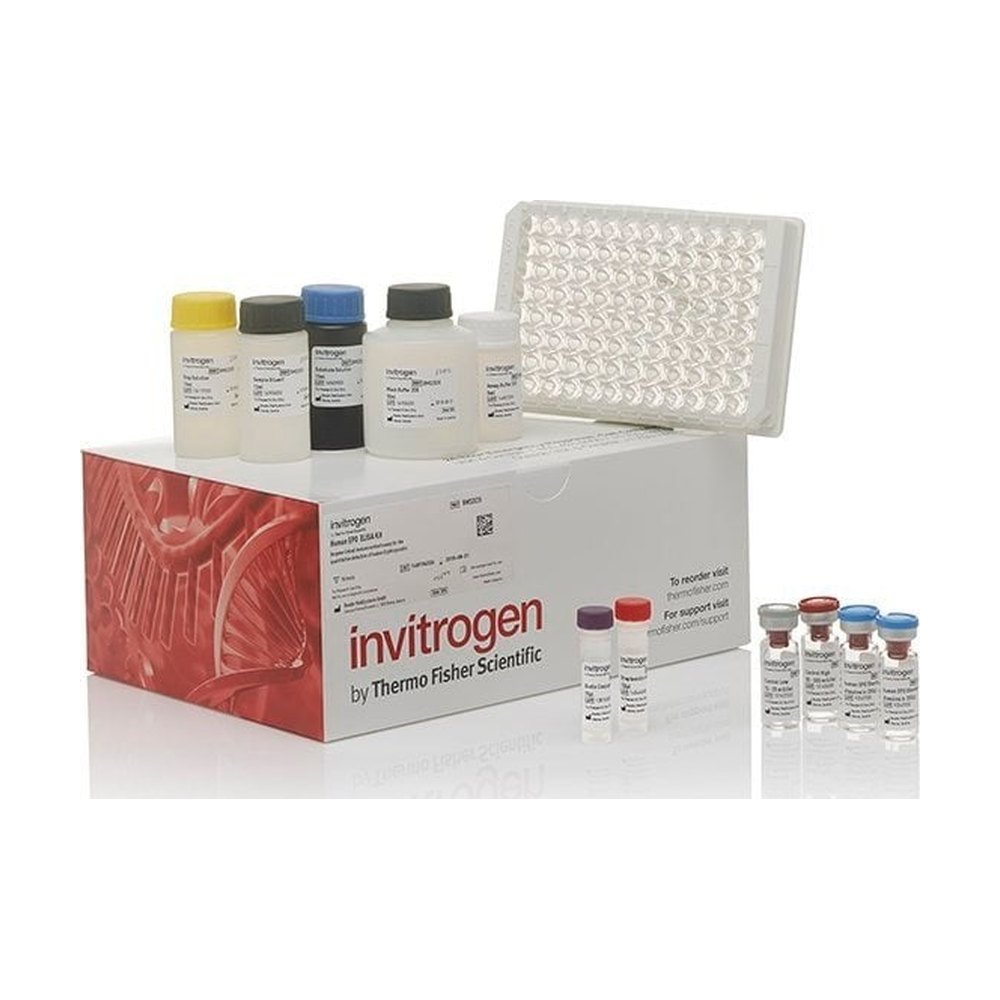
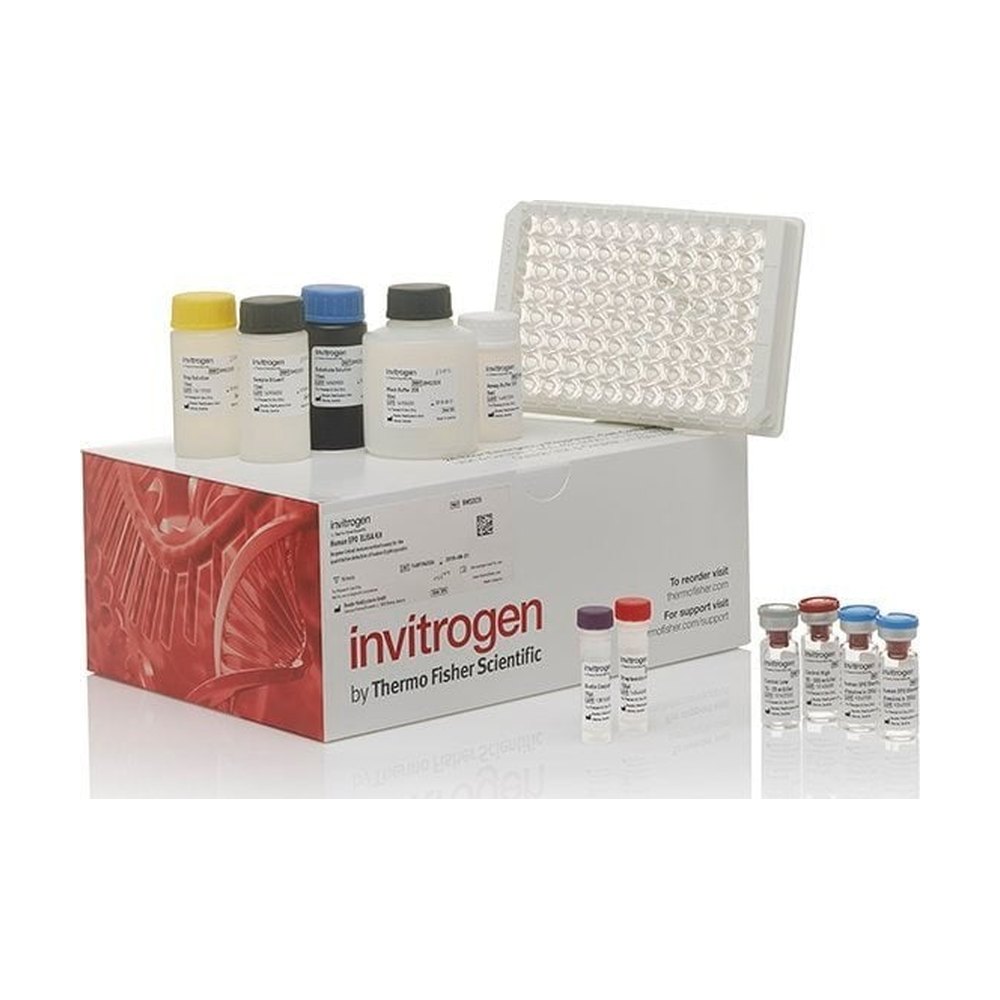
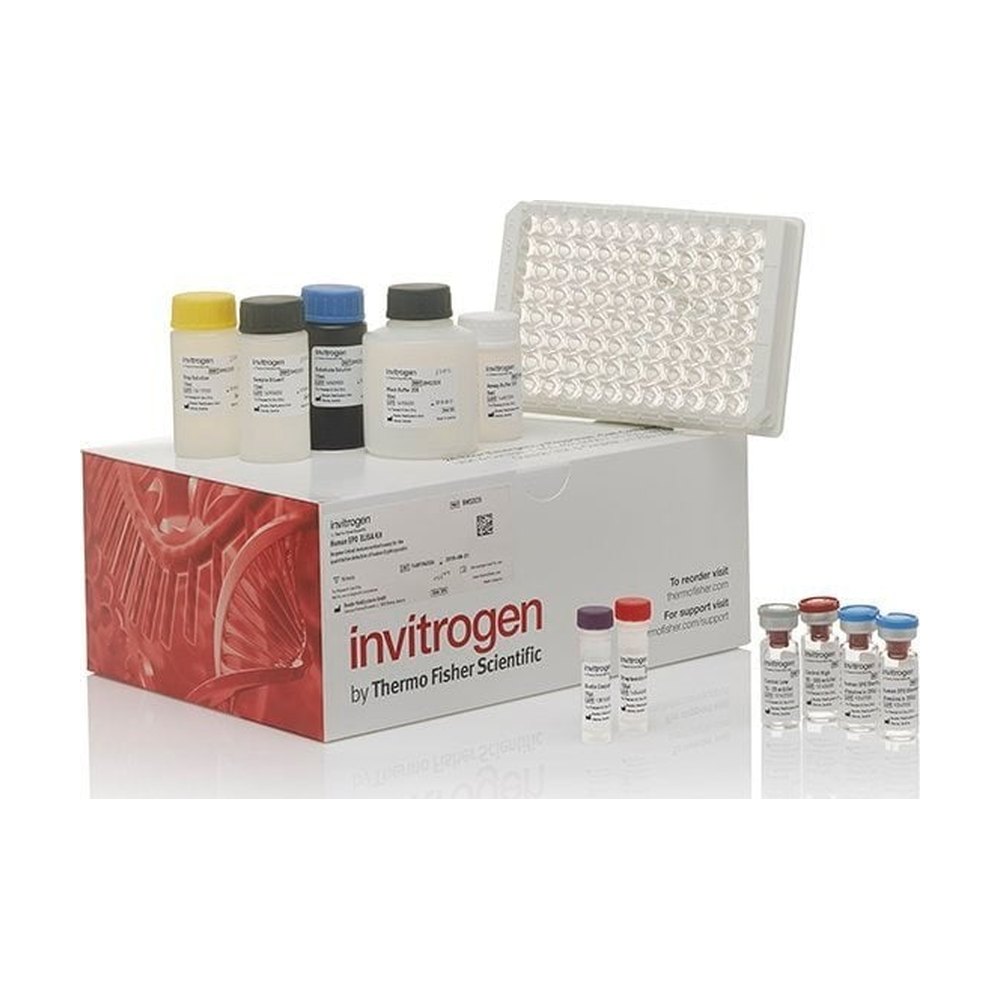
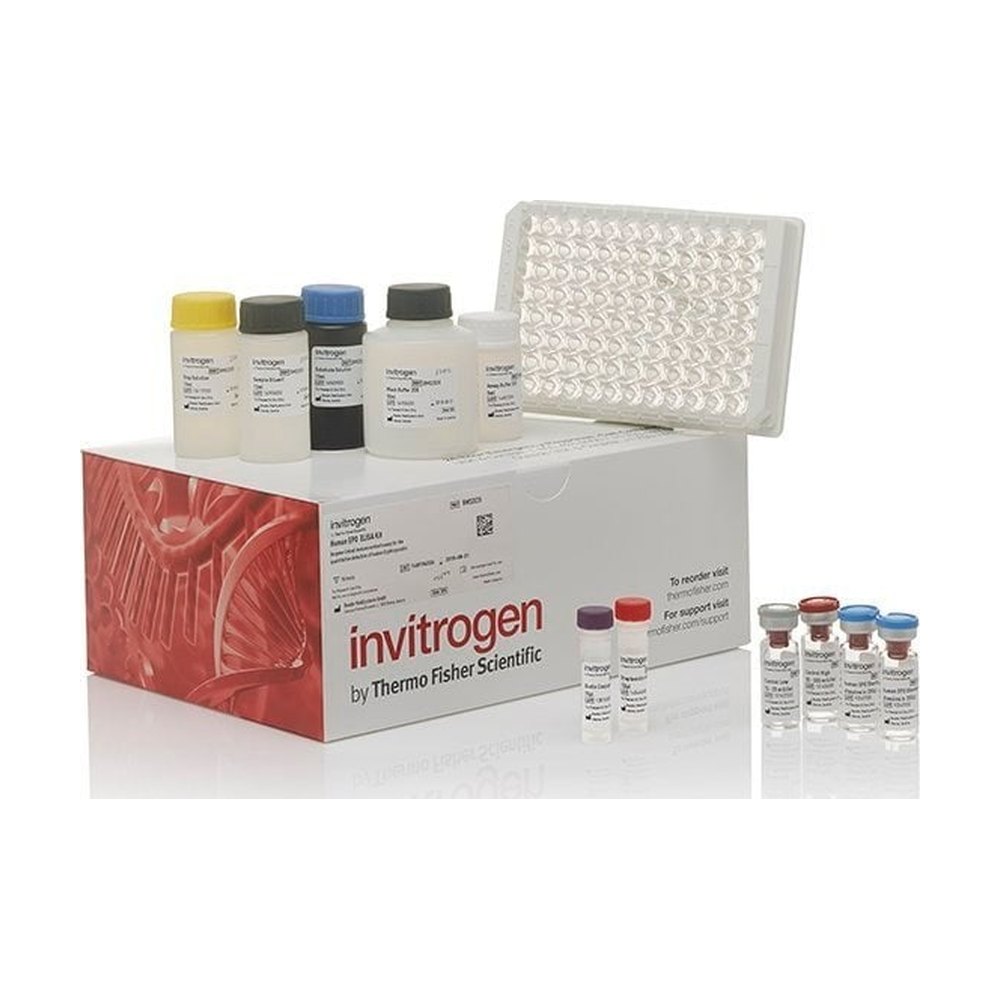
L-ELISA d-interferon beta mouse (Ms IFNβ) quantifies IFNβ mouse in the mouse cell culture medium. The assay will recognize only IFNβ of natural and recombinant mice. Principle of the L-ELISA method (test...
Accession number
P01575
Dose range
15.6-1000 pg/ml
Description
ELISA IFN beta mouse kit
Conjugate
HRP
Immunoassay kit format
Colorimetric ELISA (TMB substrate) in 96-well light plates
Brand
Invitrogen
L-ELISA d-interferon beta mouse (Ms IFNβ) quantifies IFNβ mouse in the mouse cell culture medium. The assay will recognize only IFNβ of natural and recombinant mice. Principle of the L-ELISA method (test...
L-ELISA d-interferon beta mouse (Ms IFNβ) quantifies IFNβ mouse in the mouse cell culture medium. The assay will recognize only IFNβ of natural and recombinant mice. Principle of the L-ELISA method (immuno-enzymatic test) solid phase sandwich of mouse IFNβ is designed to measure the amount of the target bound between a pair of matched antibodies. A target-specific antibody was pre-vested in the wells of the supplied microplate. Samples, standards or controls are then added to these wells and bound to immobilized antibody (capture). The sandwich is formed by adding the second antibody (detector), a substrate solution that reacts with the enzyme-antibodies-target complex to produce a measurable signal. The intensity of this coloured product is directly proportional to the concentration of TP (p) present in the original sample. Rigorous validation Each batch manufactured from this ELISA kit is tested for quality for criteria such as sensitivity, specificity, accuracy and batch-to-batch consistency. See the product manual for more information on validation.
Type I interferons (IFN-alpha/beta) are produced primarily in response to viral infection by natural IFN producing cells (IPC) as part of the host's immune response. The development of tumours can also be inhibited by L-IFNS. IFN-beta bonding results in activation of Jak1 and Tyk2 kinase tyrosins, phosphorylation of transcription factors of STAT family members, and transcription and expression of immune response genes. More recently, several members of the Toll-type receptor family (TLR) have been found to stimulate the production of d的IFN-beta. The IFN-beta is currently used clinically for the treatment of tumours, infections and multiple sclerosis.