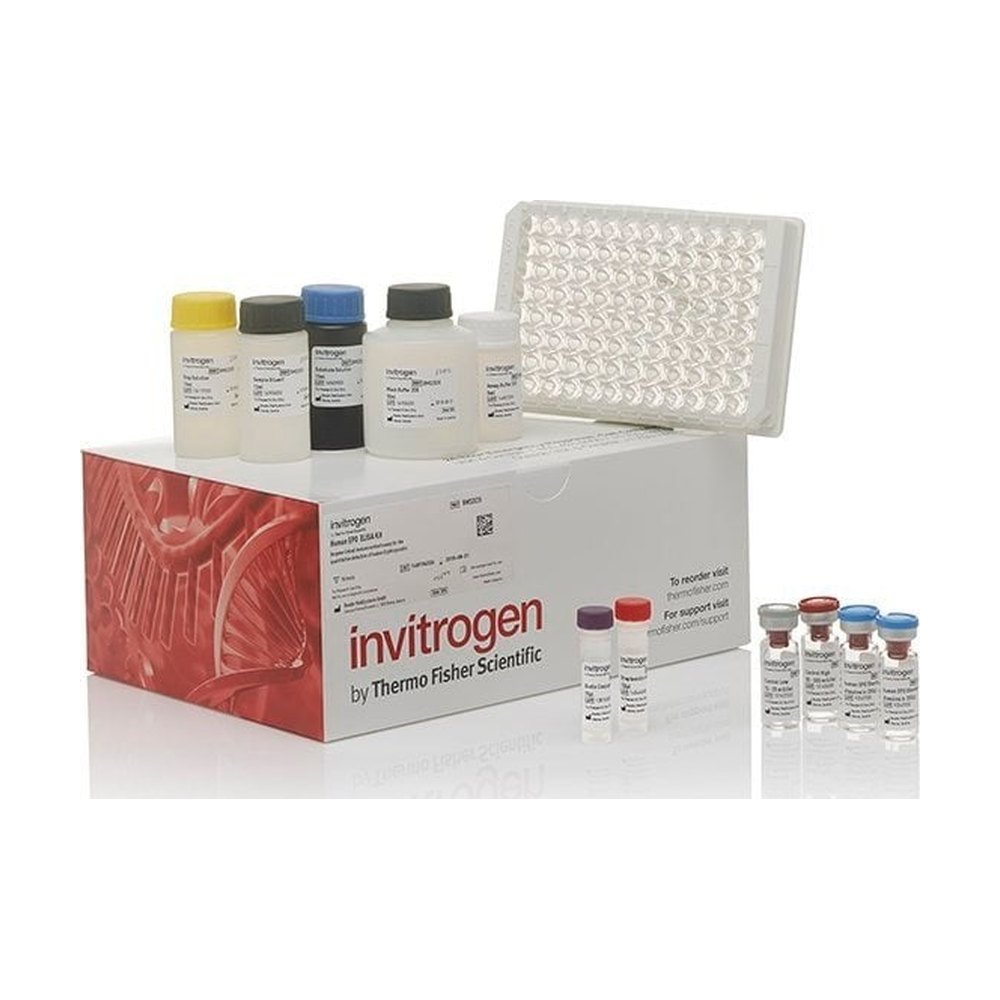
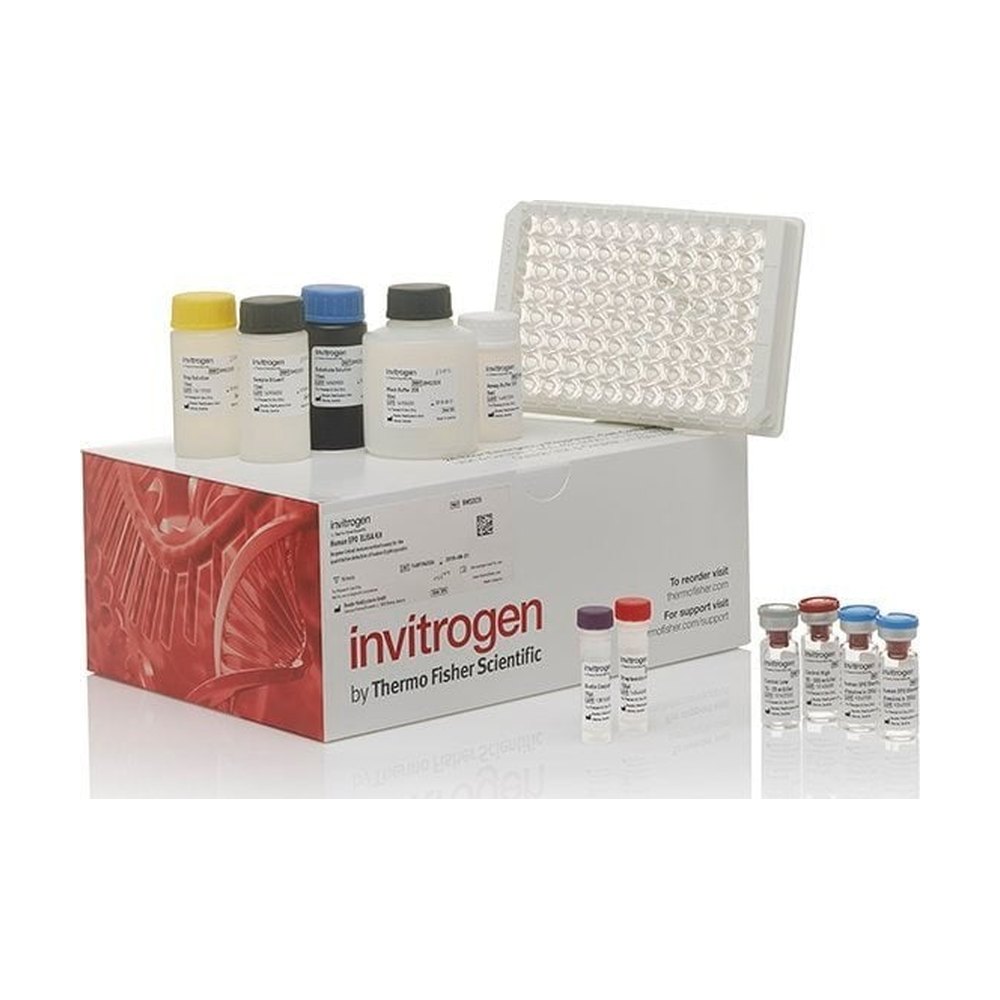
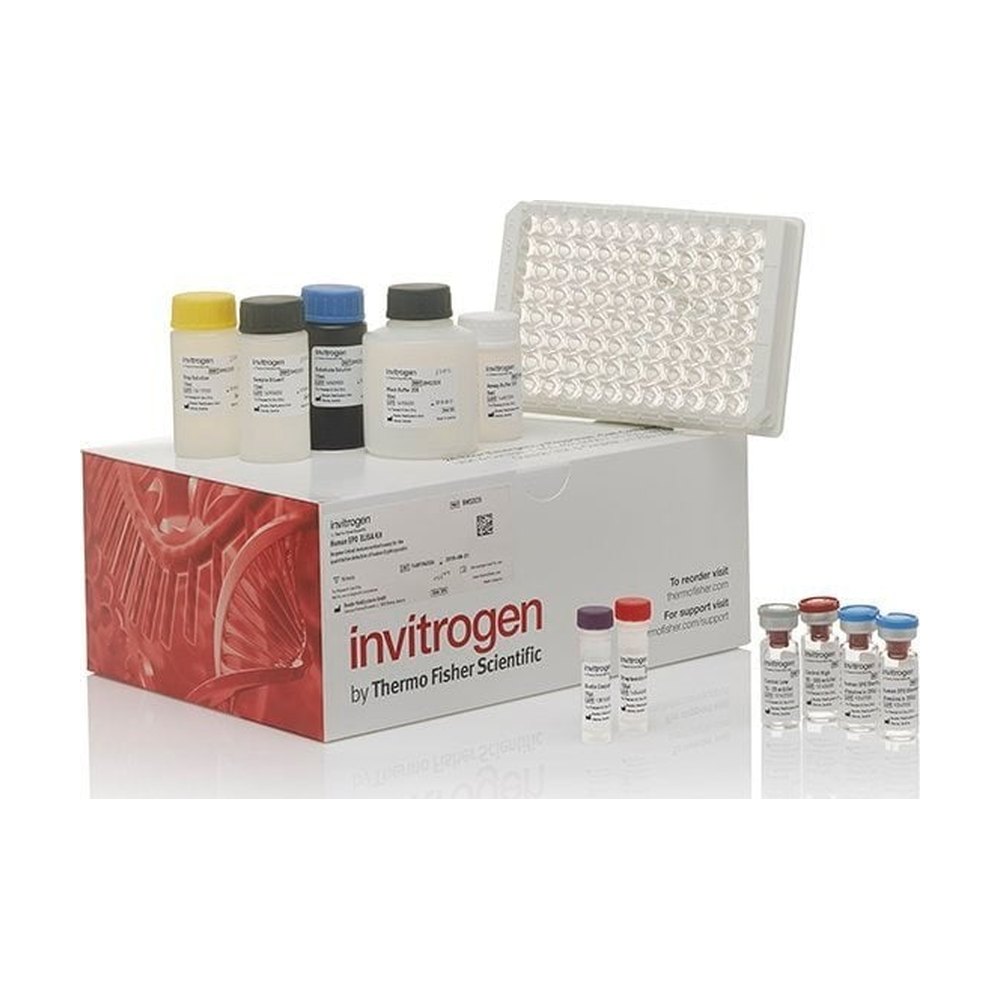
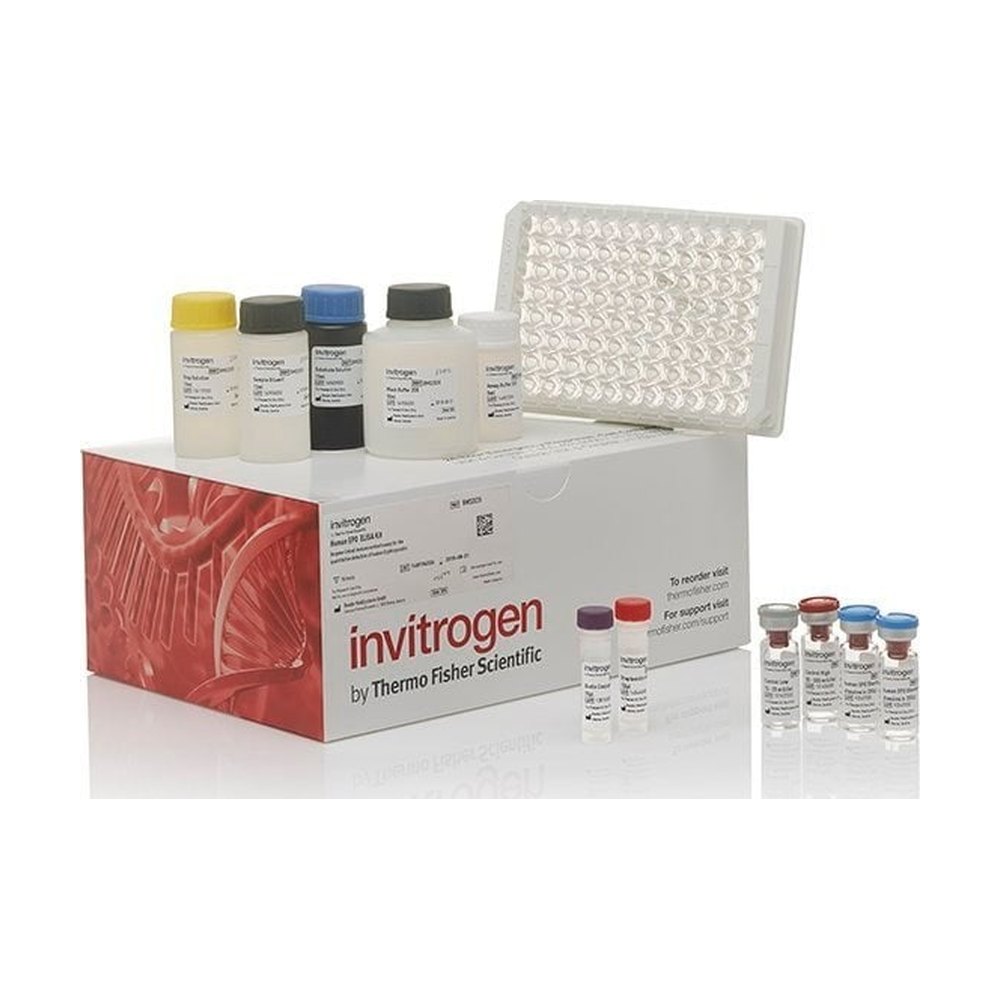
Mouse Fas L quantitates mouse Fas L in serum, plasma, supernatant. The assay will exclusively recognize both natural and recombinant mouse Fas L.
Accession number
Forme FasL traitée par Adam10 ; ALPS1B ; APL ; ligand de l’antigène d’apoptose (APO-1) 1 ; ligand de l’antigène d’apoptose 1 (APO-1) (ligand antigène Fas) ; ligand d’antigène d’apoptose ; APT1LG1 ; APTL ; CD178 ; Ligand CD95 ; CD95L ; CD95-L ; protéine CD95L ; ligand antigène fas ; Ligand Fas ; ligand Fas (superfamille TNF, membre 6) ; Fasl ; Fas-L ; FasL ICD ; domaine intracellulaire FasL ; Faslg ; Fas-LG ; maladie lymphoproliférative généralisée ; gld ; membre 6 de la famille de facteur de nécrrose tumorale mutant ; ectodomaine FasL lié au récepteur ; sFasL ; ligand Fas soluble ; SPA ; forme de FasL traitée par SPPL2A ; TNFL ; Tnfsf6 ; TNLG1A ; membre 6 de la superfamille de facteur de nécrose tumorale (ligand) (ligand d’antigène d’apoptose 1 (APO-1)) (ligand antigène Fas) ; superfamille de facteur de nécrose tumorale (ligand), membre 6 (ligand d’antigène d’apoptose 1 (APO-1))
Dose range
8 to 2.000 pg/ml
Sensitivity of the dosage
8 pg/ml
Conjugate
Biotin
Product type
ELISA
Brand
Invitrogen
Mouse Fas L quantitates mouse Fas L in serum, plasma, supernatant. The assay will exclusively recognize both natural and recombinant mouse Fas L.
Mouse Fas L quantitates mouse Fas L in serum, plasma, supernatant. The assay will exclusively recognize both natural and recombinant mouse Fas L.
CD178 (Lignand Fas, FasL) is a type II membrane protein, whose N-terminal end is in the cytoplasm and the C-terminal region extends into the extracellular space. The receptor, FasR, is a cell surface type I membrane protein and a member of the tumour necrosis factor (TNF) and nerve growth factor (NGF) receptor family. As a member of the TNF-cytokine CD178 family, he induced apoptosis during interaction with FasR. CD178 may exist as a bound (45 kD) or soluble (26 kD) membrane. The soluble protein can be released from the cells during cleavage by metalloproteinases. The binding of CD178 to Fas leads to receptoroligomerization and triggers death of apoptotic cells by interaction of other proteins. CD178 is expressed predominantly in activated T-cells and natural killer cells (NK) and also in tissues of immunological sites such as testicles and eyes. The expression of CD178 is also reported in various tissues such as thymus, liver, l'ovar, lung, heart and kidney. It is assumed that CD178 induction of apoptosis is predominantly involved in antiviral immune responses. CD178 is a cell surface molecule belonging to the tumour necrosis factor family. It binds to its Fas receptor thus inducing apoptosis. Different cells express Fas, where CD178 is expressed primarily on activated T cells. Fas and CD178 are involved in the downward regulation of immune reactions and T cell cytotoxicity. It has also been shown that CD178 concentration is associated with atherosclerosis and inflammatory disease in patients with hypertension. It has been shown that the Fas/CD178 system plays a role in a number of human diseases, such as AIDS, hepatitis or cancer.
Sensitivity
Sensitivity of dosage: 8 pg/ml.
Measurement range
Dose range: 8 to 2,000 pg/ml.
Duration of dosing
Total duration of dosing: 4 h 45 min.
Target
Target: Ligand Fas (CD178).
Samples
Type of sample: Plasma, Serum, Surnatant (Serum volume, 50 µl; plasma, 50 µl; supernatant, 50 µl).