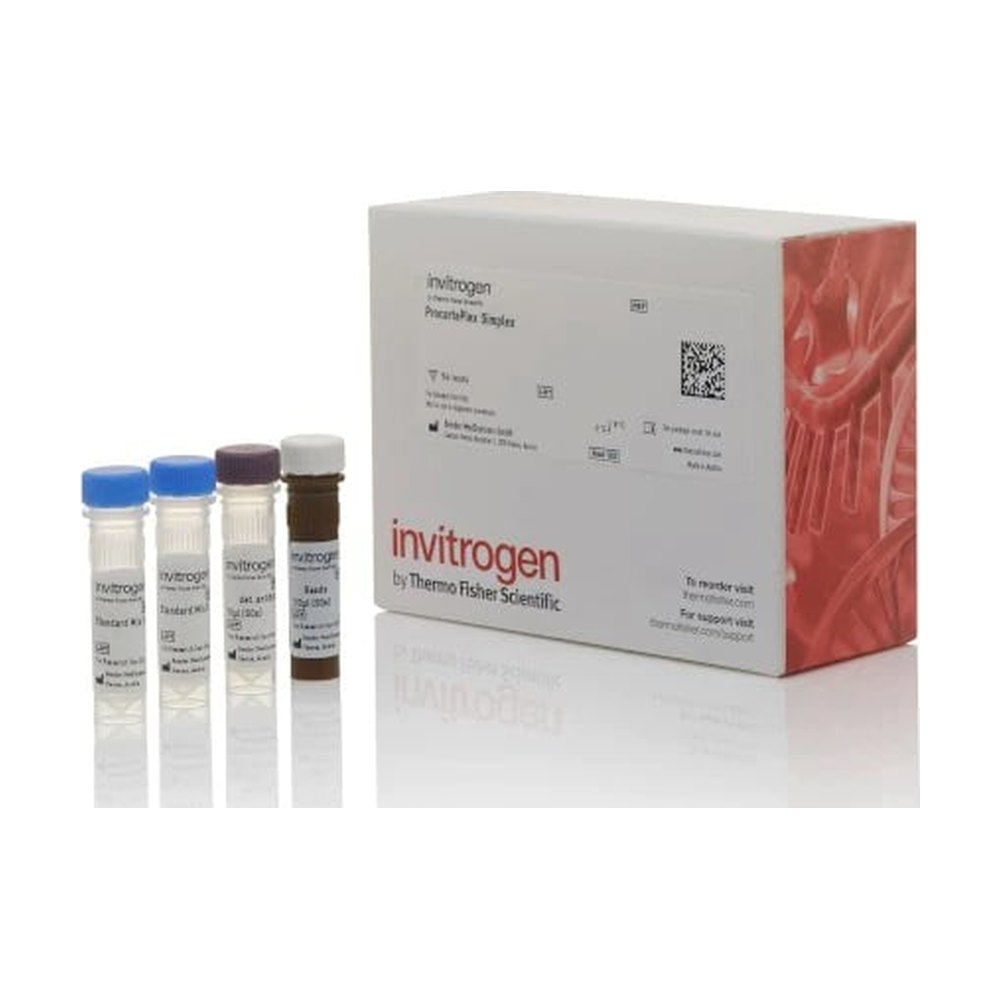
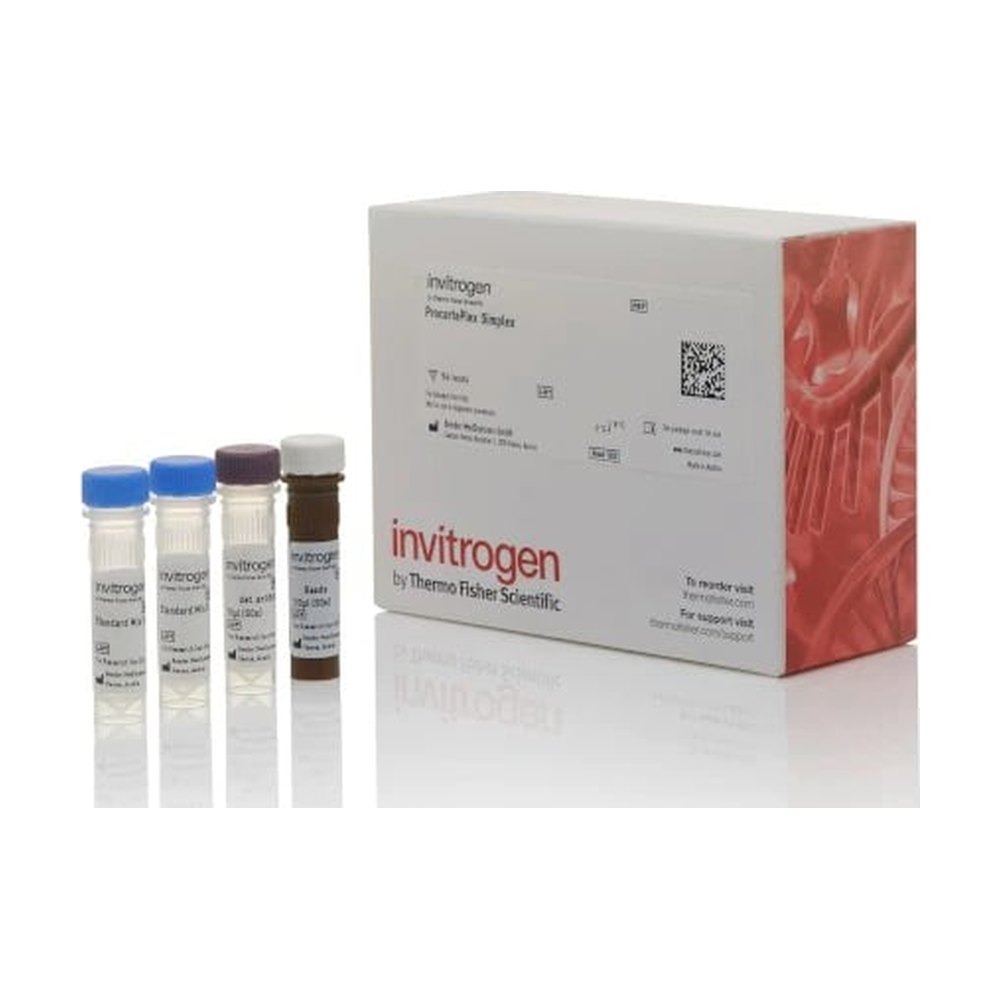
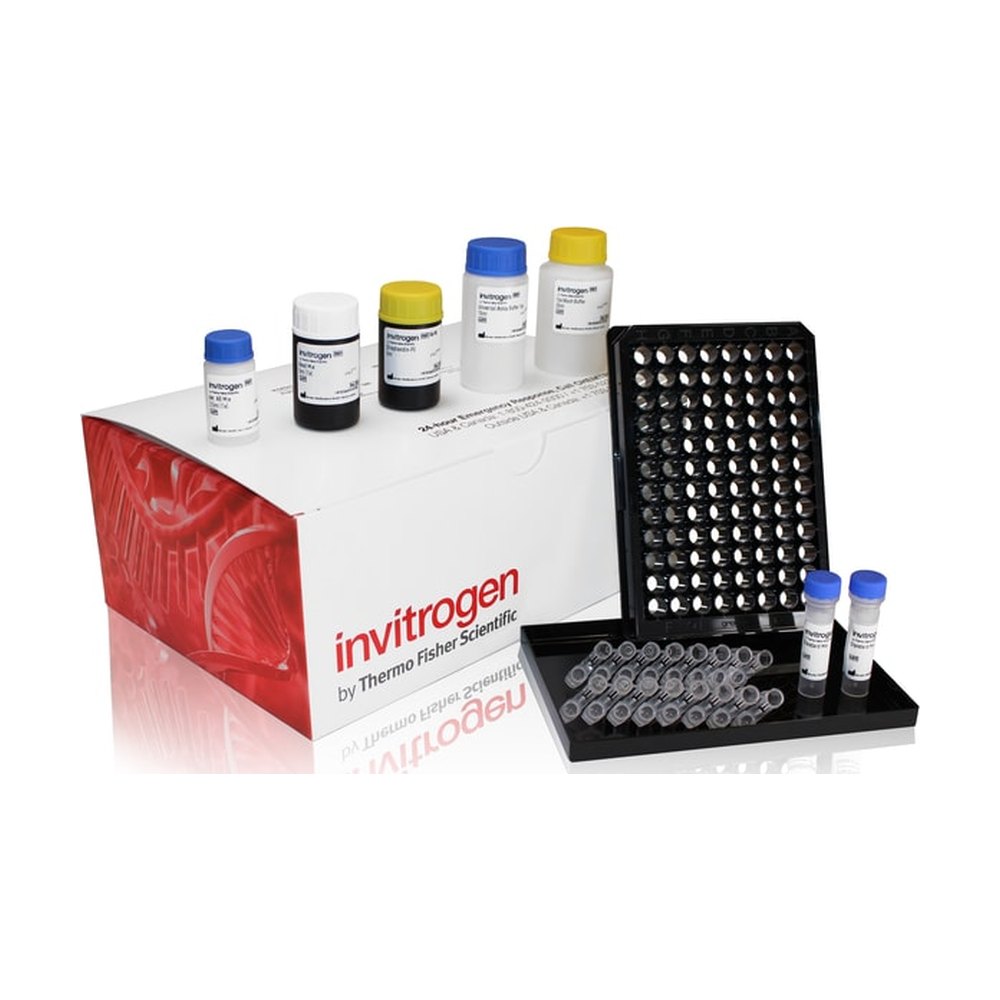
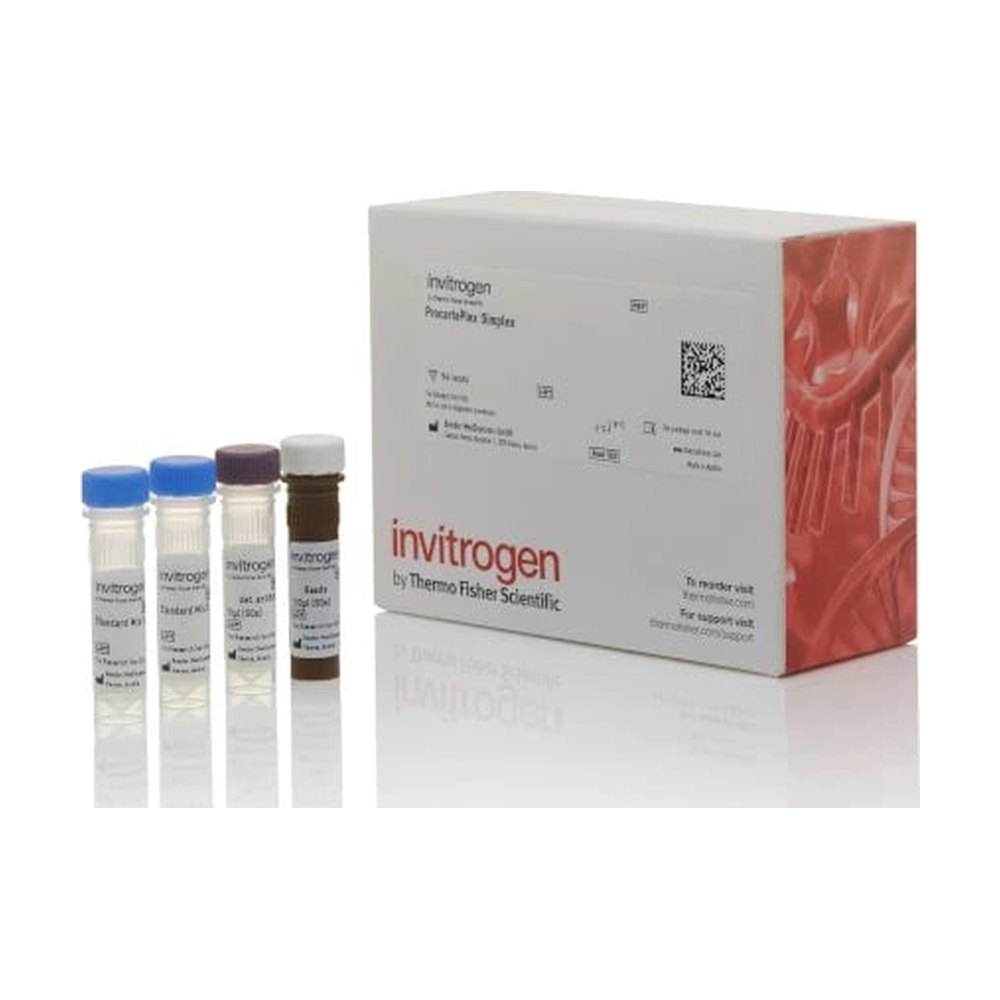
Invitrogen™ Kit for I-309 (CCL1) Human Simplex ProcartaPlex™: The I-309 (CCL1) Human Simplex ProcartaPlex kit measures the I-309 (CCL1) protein and is designed to be combined with other Simplex kits so you can create your own...
Product type
Simplex kit
Quantity
96 dosages
Species
Human
Combinability
Combined
Type of microbead
I-309 (CCL1) [75]
Brand
Invitrogen
Invitrogen™ Kit for I-309 (CCL1) Human Simplex ProcartaPlex™: The I-309 (CCL1) Human Simplex ProcartaPlex kit measures the I-309 (CCL1) protein and is designed to be combined with other Simplex kits so you can create your own...
Invitrogen™ Kit for I-309 (CCL1) Human Simplex ProcartaPlex™: The I-309 (CCL1) Human Simplex ProcartaPlex kit measures the I-309 (CCL1) protein and is designed to be combined with other Simplex kits so you can create your own...
Luminex microbeads in the ProcartaPlex assay are coloured internally with precise red and infrared fluorophores to create specific spectral signatures that can be identified by Luminex xMAP detection systems (e.g. Luminex 200, FLEXMAP 3D and MAGPIX). Like ELISA sandwich, the ProcartaPlex assay uses paired antibody pairs to identify the protein of interest. In a multiplexed assay, each single spectral microbead is marked with antibodies specific to a single target protein and the bound proteins are identified with biotinyl antibodies and streptavidine–R-phycoerythrin (RPE). Conjugation of specific antibodies from a protein to a separate microbead makes it possible to analyze several targets in a single well.
The most significant difference between a ProcartaPlex assay and a ELISA assay is that the ProcartaPlex capture antibody is conjugated with a microbead and is not adsorbed by any of the microplate wells. Thus, ProcartaPlex dosing reagents float freely in the solution. For detection purposes, Luminex 200, for example, contains two lasers: one to distinguish the spectral signature from each microbead and one to quantify the amount of fluorescence of RPE. The latter is proportional to the amount of protein present in the sample. Multiplex ProcartaPlex assays can profile more target proteins using a significantly smaller sample. It takes them as long as they do a traditional ELISA sandwich.
ProcartaPlex multiplex panels are available in several formats and can be used on six species (human, mouse, rat, non-human primate, pig and dog)
The human I-309 (CCL1) kit Simplex ProcartaPlex...
The human I-309 (CCL1) Simplex ProcartaPlex kit measures the protein I-309 (CCL1) and is designed to be combined with other Simplex kits so you can create your own multiplex panel that uses the same...
ProcartaPlex immunoassays, based on the...
ProcartaPlex immunoassays, based on the principles of an ELISA e sandwich, use two highly specific antibodies binding to different epitopes of a protein to simultaneously quantify all the antibodies.
More results per sample—measurement...
More results per sample—simultaneous measurement of multiple protein targets in a single sample of 25–50 µl
Well established Luminex technology
Highly referenced multiplexing platform for protein detection and quantification
ProcartaPlex dosages use the technology to...
ProcartaPlex assays use Luminex xMAP (multianalyte profiling) technology to allow simultaneous detection and quantification of up to 80 protein targets in a single 25-piece sample.
Technical specifications
General
Brand
Invitrogen
Supplier ref. (Fisher Scientific)
17114983
Specifications
Product type
Simplex kit
Quantity
96 dosages
Species
Human
Combinability
Combined
Type of microbead
I-309 (CCL1) [75]
Sensitivity of the dosage
As determined for Lot 1: 0.167 pg/ml
Dose range
As determined for Lot 1: 0.73-3 000 pg/ml
Format
Simplex kit
For use with (equipment)
Luminex™ Instruments
Expression
Chemokin ligand pattern C-C 1
Gene aliases
I-309, P500, SCYA1, SISe, TCA3
Genetic identification (Enter)
6346
Gene symbol(s)
CCL1
Product range
ProcartaPlex™
Protein
chemokin motif C-C 1
Protein subtype
Small induced cytokine A1, protein I-309 secreted by T lymphocytes