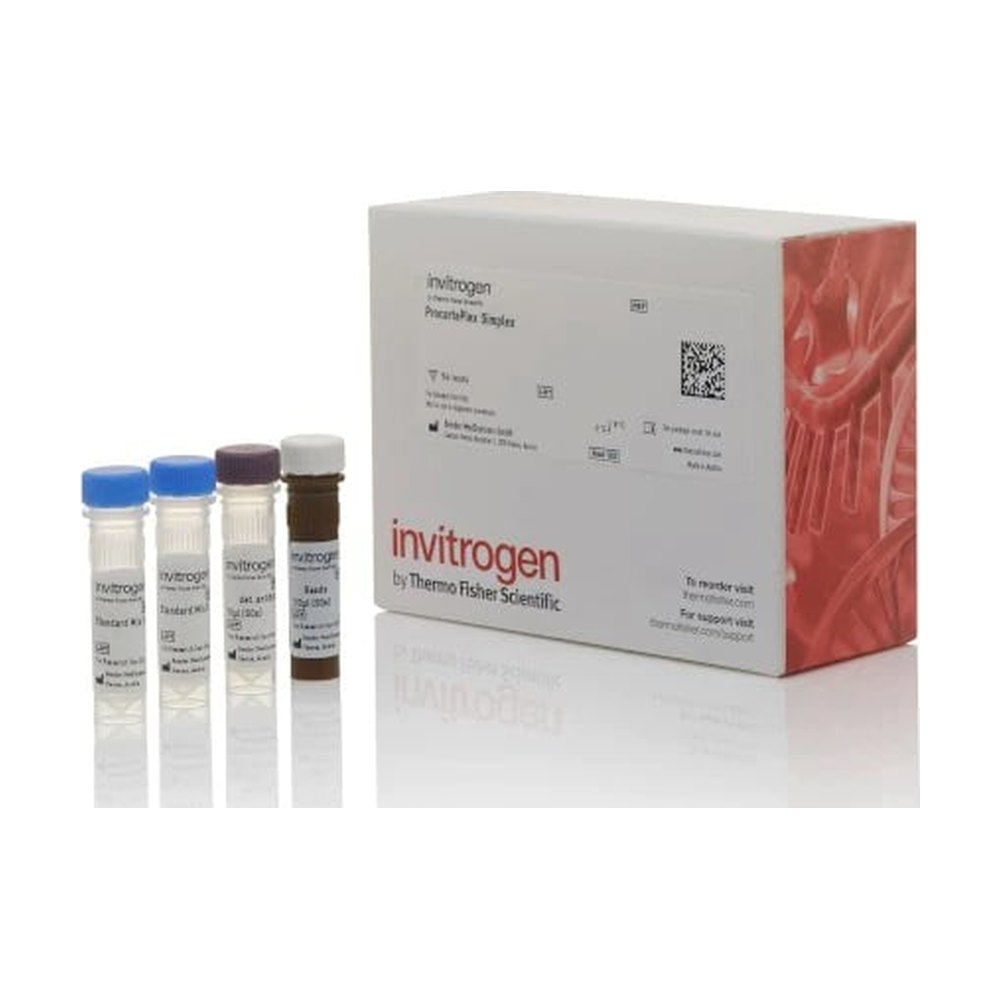
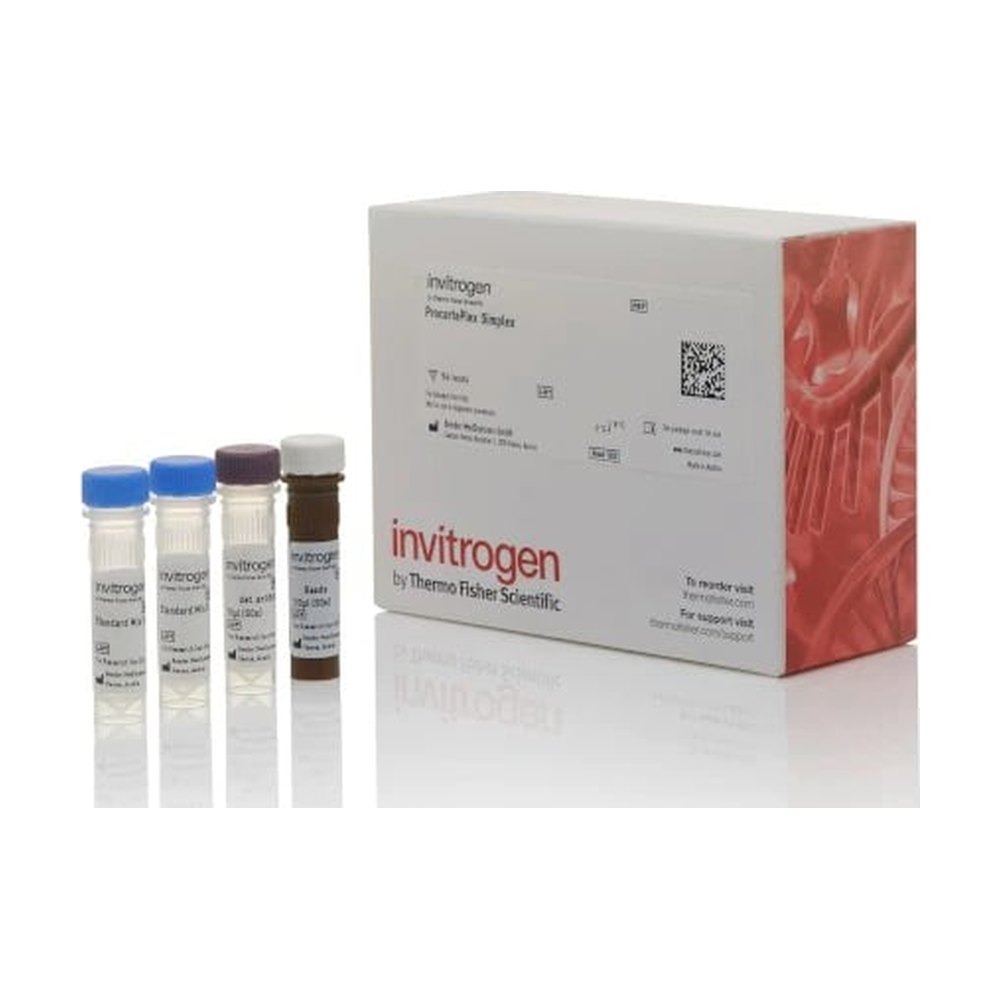
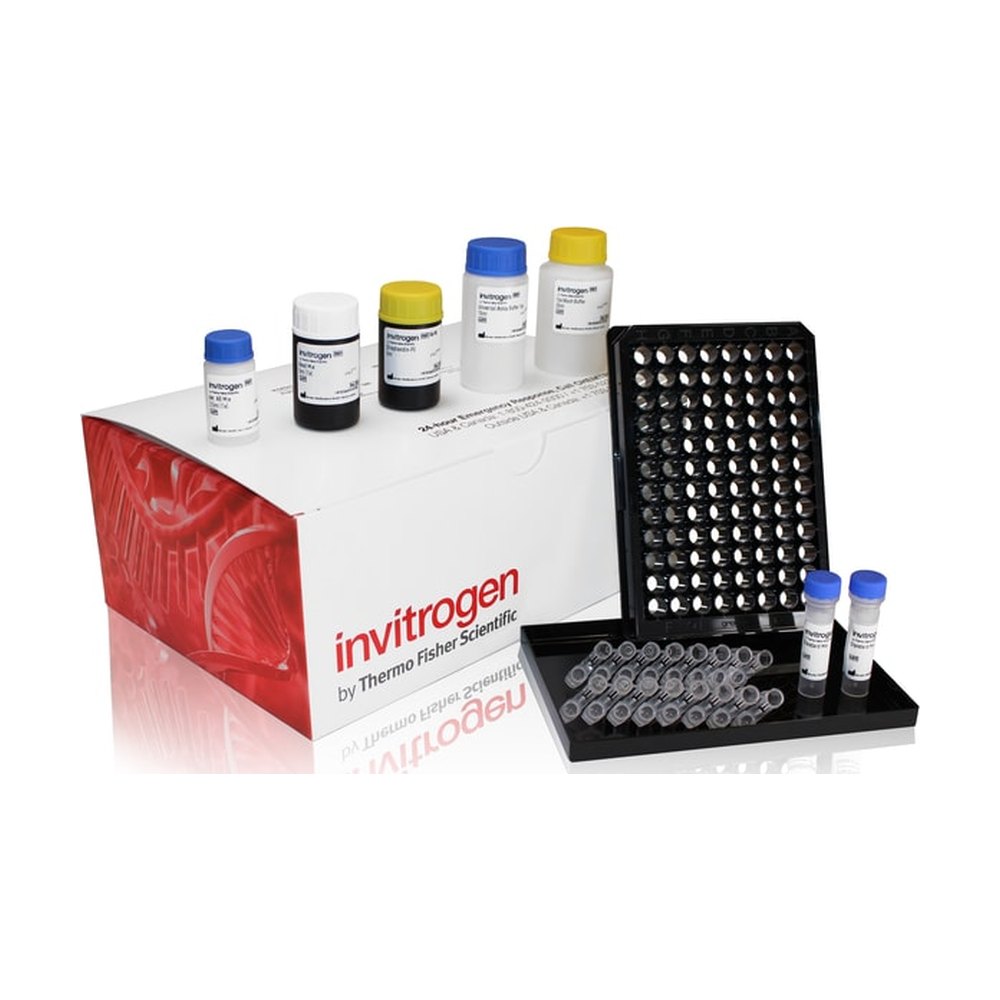
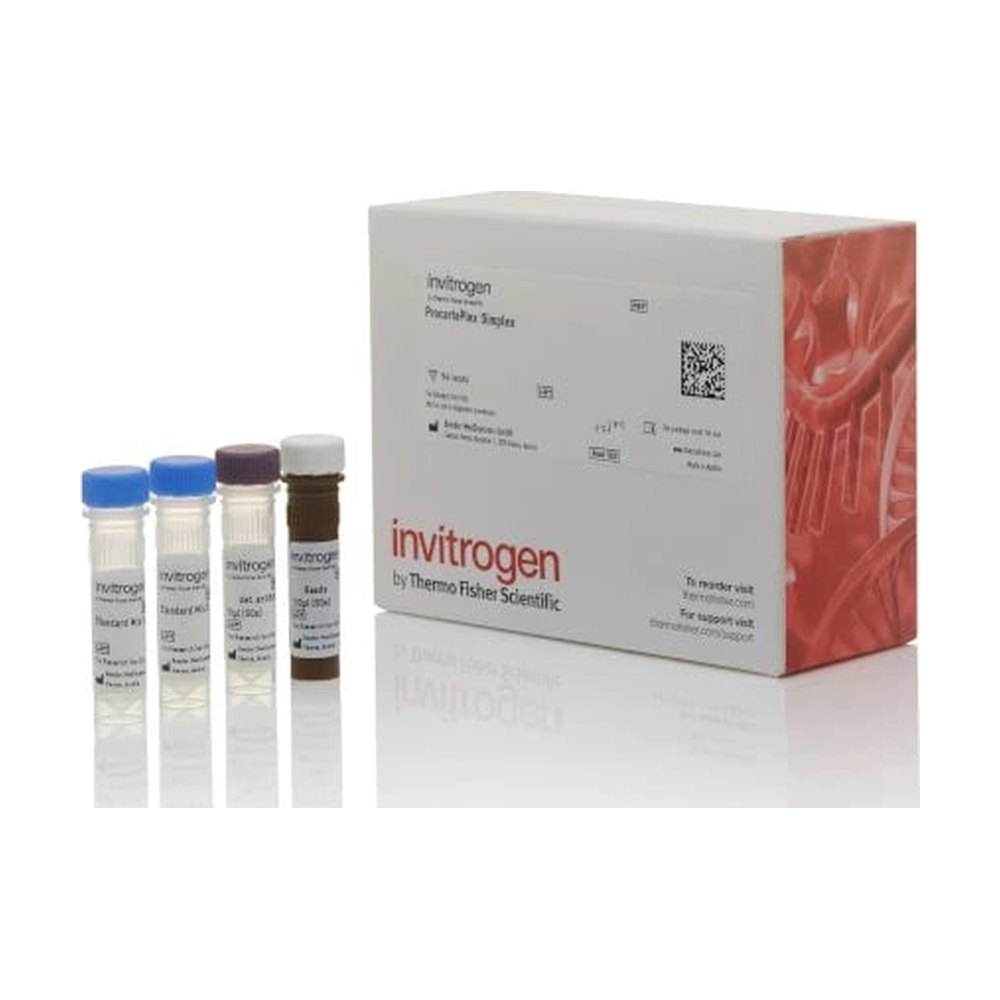
The human S1 SRA Total d-Ig kit Simplex ProcartaPlex measures S1 anti-SARS antibodies in serum and plasma. The detector antibody is a total antibody d-immunoglobulin (Ig) directly conjugated with phycoerythrin (PE) that reacts with a...
The human S1 SRA Total d-Ig kit Simplex ProcartaPlex measures S1 anti-SARS antibodies in serum and plasma. The detector antibody is a total antibody of immunoglobulin (Ig) directly conjugated with phycoerythrin (PE) that reacts cross-react with all Ig (IgG, IgM, and IgA) in serum and plasma. L的IgG is the most abundant immunoglobulin.
This kit is designed to be combinable with other simplex kits from the Coronavirus panel to create your own multiplex panel that uses Luminex xMAP technology for protein detection/quantification. When combining several Simplex kits (for example, when you do not use a preconfigured multiplex panel), a single viral reagent kit (ref. EPX010-10430-901, sold separately) is required for each dosing plate, regardless of the size of plex.
About ProcartaPlex strengths for Luminex platform
ProcartaPlex immunoassays are based on the principles of d-ELISA sandwich, using two highly specific antibodies binding to different epitopes of a protein to simultaneously quantify up to 80 protein targets using Luminex 200 or FLEXMAP 3D and up to 50 protein targets using the MAGPIX instrument. ProcartaPlex assays require only 25 µl plasma or serum, or 50 µl cell culture supernatant, and only four hours to obtain analyzed results.
• Flexible Panels: Design your own panels with Simplex kits to measure your own range of targets
• Plus results per sample: measure up to 80 protein targets in a single sample of 25-50 µl
• Proven Luminex technology: the most referenced multixing platform for protein detection and quantification
Luminex MagPlex superparamagnetic microspheres in ProcartaPlex are coloured internally with precise proportions of red and infrared fluorophores to create 100 unique signatures that can be identified by Luminex xMAP detection systems (Luminex 200, FLEXMAP 3D and MAGPIX systems). Like the ELISA sandwich assay, ProcartaPlex uses paired antibody pairs to identify the protein of interest. In a multiplex ProcartaPlex assay, each single spectral microbead is marked with single target protein-specific antibodies and the bound proteins are identified with biotinyl antibodies and streptavidine–R-phycoerythrin (RPE). The combination of specific antibodies from a protein to a separate microbead allows for the analysis of several targets in a single well.
The most significant difference between a ProcartaPlex assay and a ELISA assay is that the ProcartaPlex capture antibody is combined with a magnetic microbead and is not adsorbed by any of the microplate wells. Thus, ProcartaPlex dosing reagents float freely in the solution. For detection purposes, Luminex 200, for example, contains two lasers: one to distinguish the spectral signature from each microbead and one to quantify the amount of fluorescence of RPE. The latter is proportional to the amount of protein present in the sample. ProcartaPlex multiplex assays can profile up to 80 times more target proteins using a smaller sample with the same duration as a conventional ELISA sandwich.
Simplex ProcartaPlex kits create your own unique panel. More than 90% of the ProcartaPlex Simplex targets can be combined, offering you greater flexibility when creating your own multiplexed panel.
ProcartaPlex multiplex panels are available in several formats and can be used on six species (human, mouse, rat, non-human primate, porcine and canine).