This panel allows the simultaneous detection of soluble receptors and molecules involved in the recognition and elimination of an apoptotic cell by a neighbouring cell or phagocyte. Apoptotic cell clearance is usually...
This panel allows the simultaneous detection of soluble receptors and molecules involved in the recognition and elimination of an apoptotic cell by a neighbouring cell or phagocyte. Apoptotic cell clearance is generally anti-inflammatory and immunologically silent, but apoptotic cell elimination defects may be related to autoimmunity and inflammation. The panel is supplied in a ready-to-use format with individual vials of capture and detection reagents formulated at a concentration of 1X, requiring less pipeting and experimental configuration. It cannot be associated with simplexes or other panels.
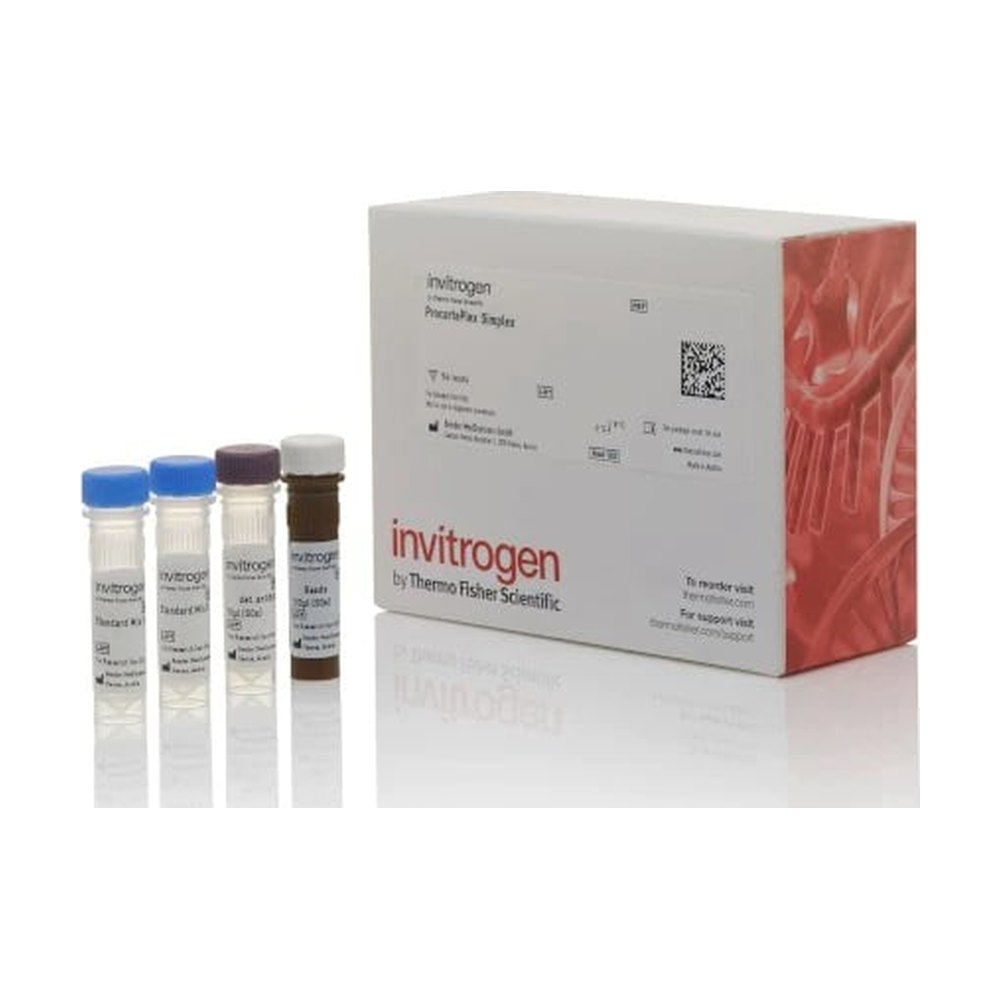
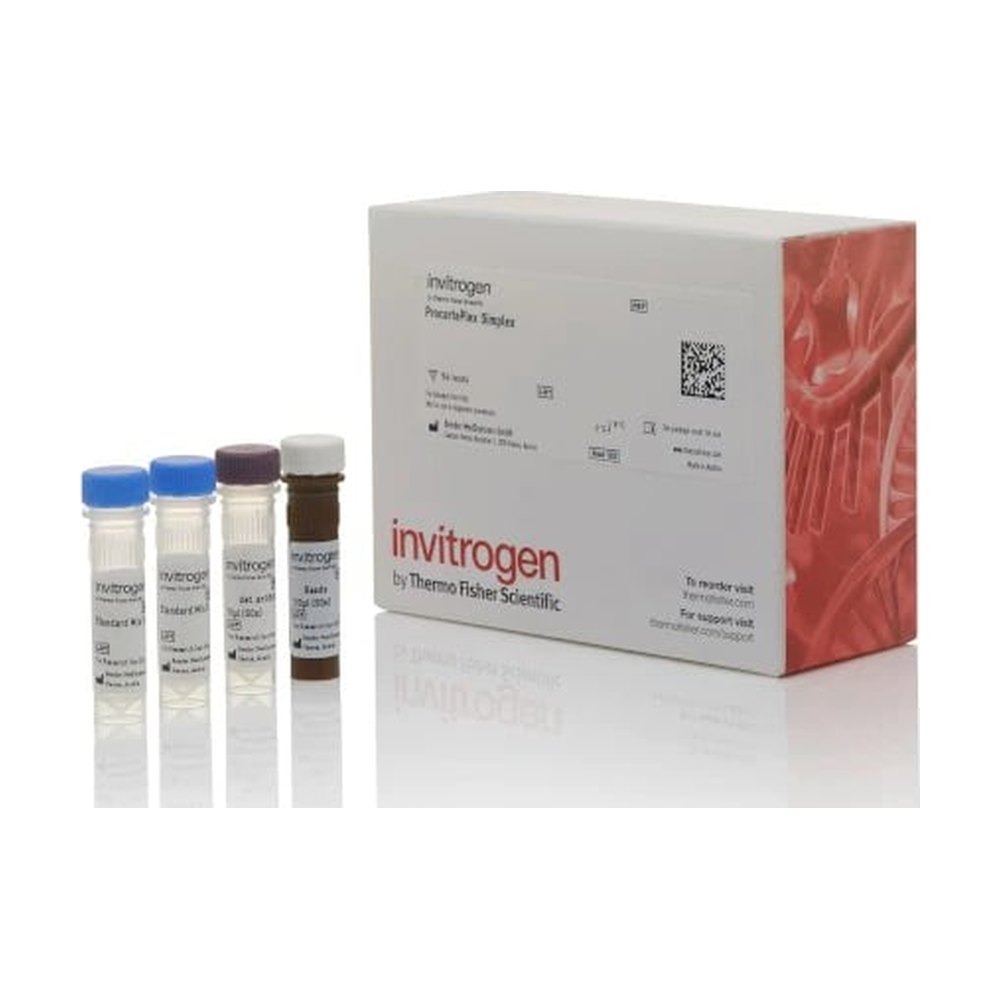
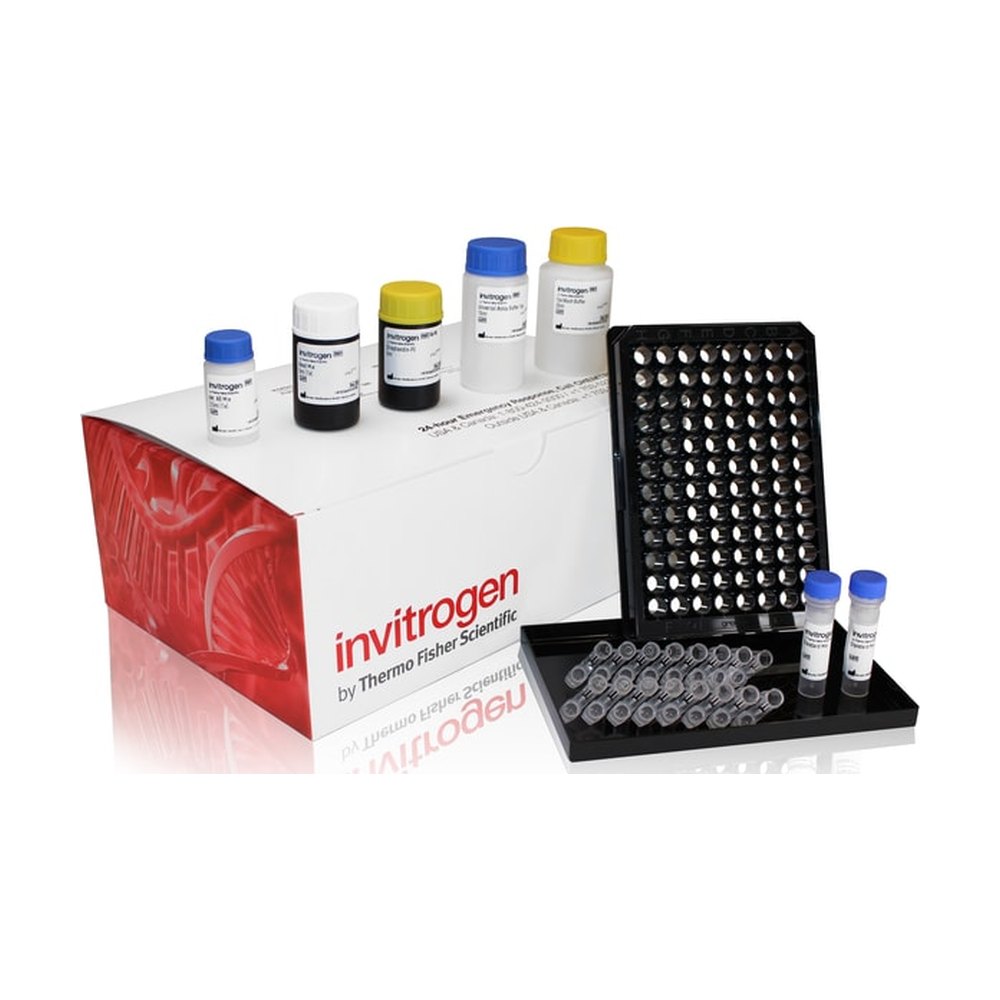
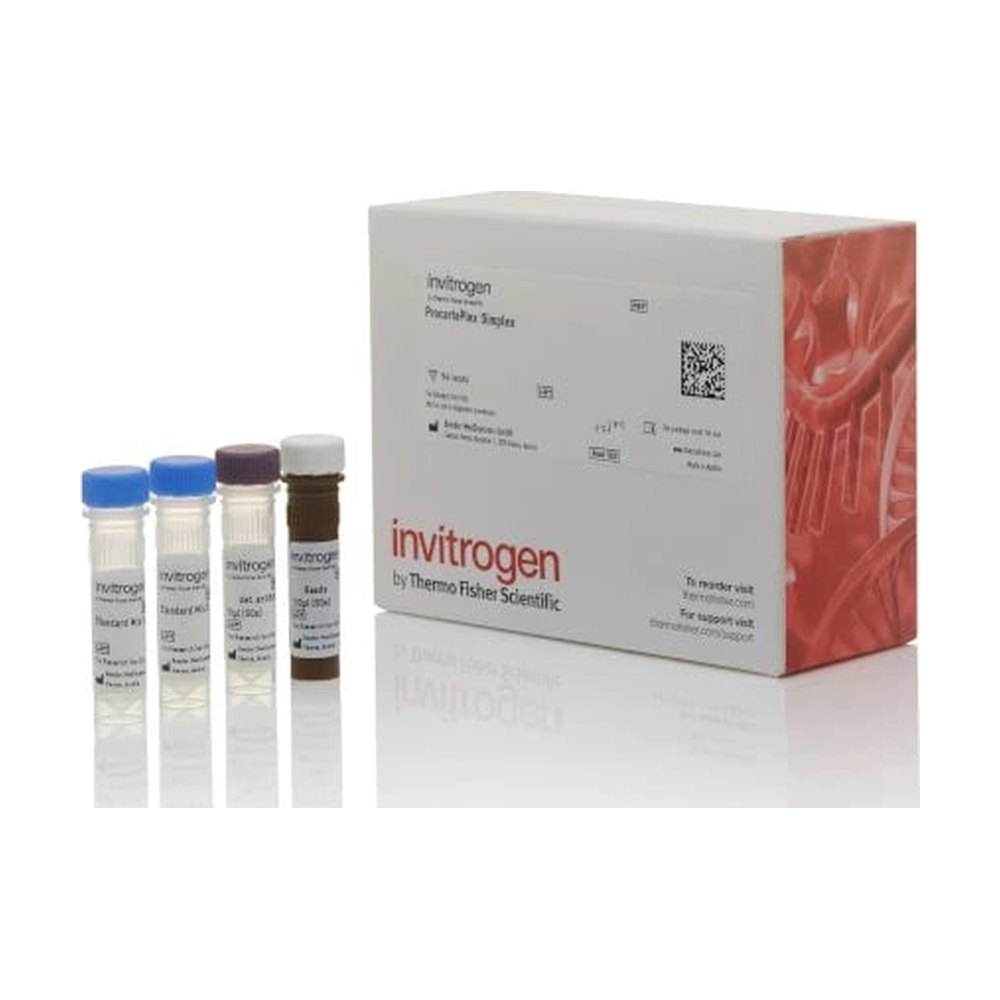
ProcartaPlex preconfigured panels are widely tested for combinability, interference and cross-reactivity of analyses to provide the highest level of validation and accuracy. All ProcartaPlex panels are supplied with the reagents necessary to perform the dosage.
Target list [microbille region]: AXL [27], CD36 [38], CALR (CRT) [73], Gas6 [53], LOX-1 [76], MBL [55], Sea (MERTK) [26], CD31 (PECAM-1) [72], PAI-1 (Serpine) [35], uPAR [61], RAGE [47], TYRO3 [37]
About ProcartaPlex strengths for Luminex platform
ProcartaPlex immunoassays are based on the principles of a sandwich ELISA, using two highly specific antibodies binding to different epitopes of a protein to simultaneously quantify all target proteins using a Luminex instrument. ProcartaPlex multiplex assays require only 25 μl plasma or serum, or 50 μl cell culture supernatant, and only four hours to obtain the analyzed results.
• Reproducible and reliable results — validated in panel to the highest industry standard, with tests for protein target combinationability and cross-reactivity
• Plus of results per sampler — allows multiple protein targets to be achieved simultaneously in a single sample of 25 - 50 μl
• High-reference multiplexing platform with well established Luminex technology for protein detection and quantification
ProcartaPlex assays use Luminex xMAP (multianalyte profiling) Technology for simultaneous detection and quantification of up to 80 protein targets in a single 25–50 μl sample — plasma, serum, cell culture supernatant and other body fluids.
Luminex microbeads in the ProcartaPlex assay are coloured internally with precise proportions of red fluorophores and IR to create unique spectral signatures that can be identified by Luminex xMAP detection systems (e.g. Luminex 200, FLEXMAP 3D and MAGPIX). Like ELISA sandwich, the ProcartaPlex assay uses paired antibody pairs to identify the protein of interest. In a multiplexed assay, each single spectral microbead is marked with antibodies specific to a single target protein and the bound proteins are identified with biotinyl antibodies and streptavidine–R-phycoerythrin (RPE). Conjugation of specific antibodies from a protein to a separate microbead makes it possible to analyze several targets in a single well.