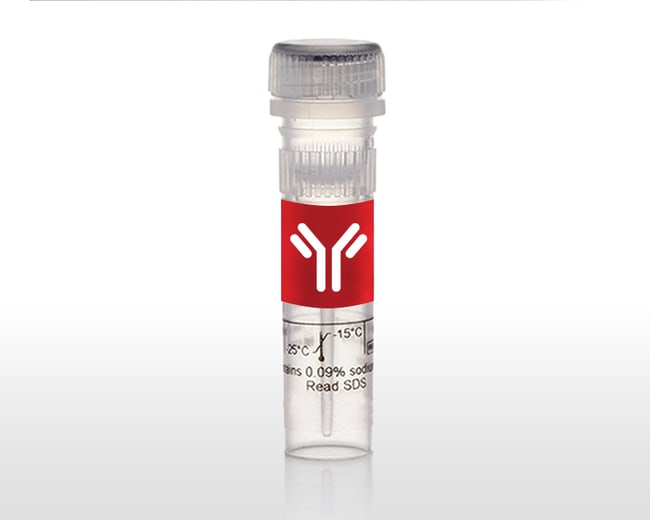
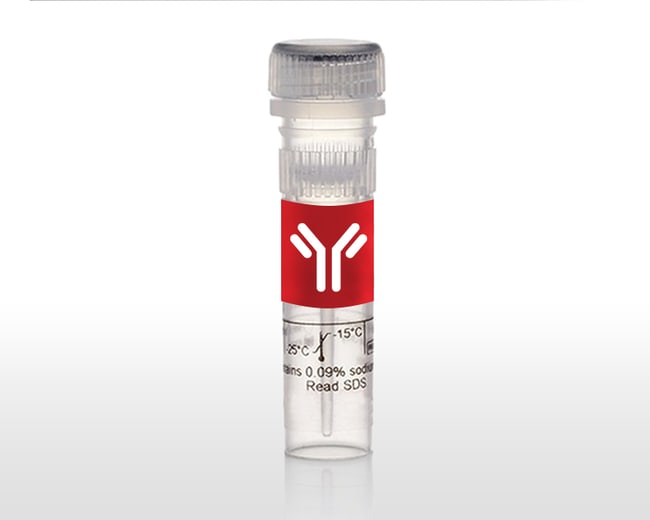
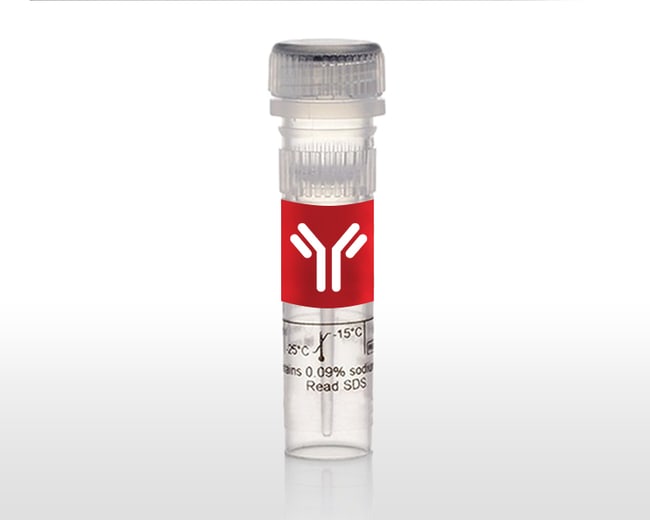
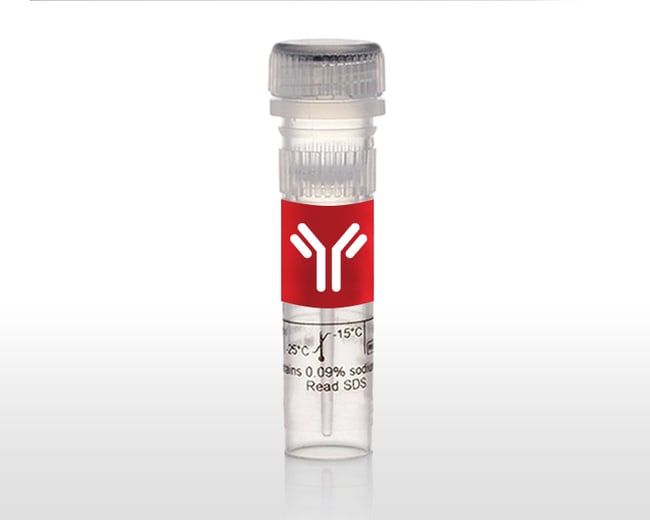
ATG9A Synthetic Peptide, PEP-1157, from Invitrogen.
Macroautophagy is the major inducible pathway for the general turnover of cytoplasmic constituents in eukaryotic cells, it is also responsible for the degradation of active cytoplasmic enzymes and organelles during nutrient starvation. Macroautophagy involves the formation of double-membrane bound autophagosomes which enclose the cytoplasmic constituent targeted for degradation in a membrane bound structure, which then fuse with the lysosome (or vacuole) releasing a single-membrane bound autophagic bodies which are then degraded within the lysosome (or vacuole). Apg9 plays a direct role in the formation of the cytoplasm to vacuole targeting and autophagic vesicles, possibly serving as a marker for a specialized compartment essential for these vesicle-mediated alternative targeting pathways.
Caractéristiques techniques
| Marque | Invitrogen |
|---|
| Réf. B-LABO | BL-RE-175771 |
|---|
| Réf. fabricant | 15255159 |
|---|
| Gene ID (Entrez) | 79065 |
|---|
| Espèces | Human |
|---|
| Méthode de purification | purified |
|---|
| Numéro d’adhésion | Q7Z3C6 |
|---|
| Nom usuel | Human ATG9A |
|---|
| Concentration | 200 μg/mL |
|---|
| Contenu et stockage | -20°C |
|---|
| Format | Liquid |
|---|
| Formule | PBS with 0.1% BSA and 0.02% sodium azide; pH 7.2 |
|---|
| À utiliser avec (application) | Blocking Assay, Control |
|---|
| Symbole de gène(s) | ATG9A |
|---|
| Lyophilisé | No |
|---|
| Conservateur | 0.02% sodium azide |
|---|
| Type de produit | Peptide |
|---|
| Quantité | 50 μg |
|---|
| État réglementaire | RUO - research use only |
|---|
| Tampon de stockage | PBS |
|---|
Une question, une configuration particulière ?
Contactez-nous pour un devis.