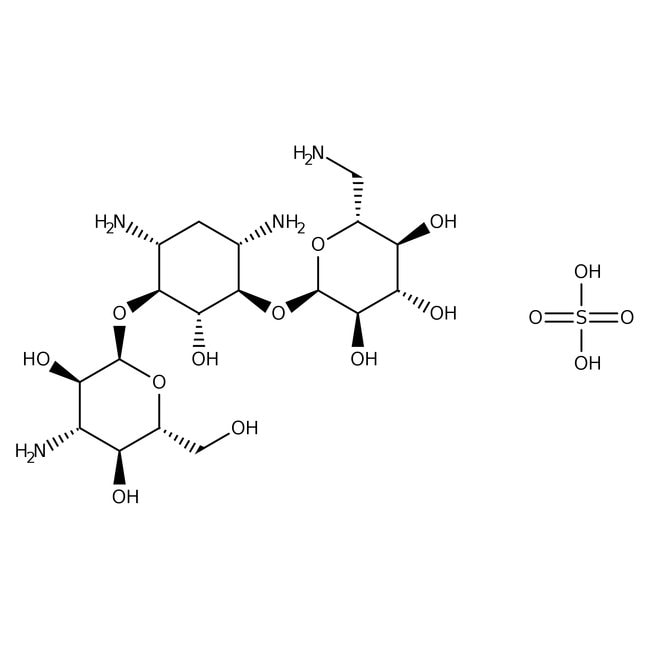
Ampicilline, Thermo Scientific Chemicals
Prix sur devis
Tarif personnalisé selon la configuration et la quantité.
- Marque
L’ampicilline, numéro CAS 69-53-4, est structurellement reliée à la pénicilline et est considérée comme un antibiotique semi-synthétique présentant une activité antibactérienne.
Ampicillin is used as asemi-synthetic antibiotic which has antibacterial activity structurally related to penicillin. It is widely used selection reagent for transformed cells expressing β-lactamase. It is also used to prevent and treat a number of bacterial infections. It may also be used to prevent group B streptococcal infection in newborns.
This Thermo Scientific Chemicals brand product was originally part of the Alfa Aesar product portfolio. Some documentation and label information may refer to the legacy brand. The original Alfa Aesar product / item code or SKU reference has not changed as a part of the brand transition to Thermo Scientific Chemicals.